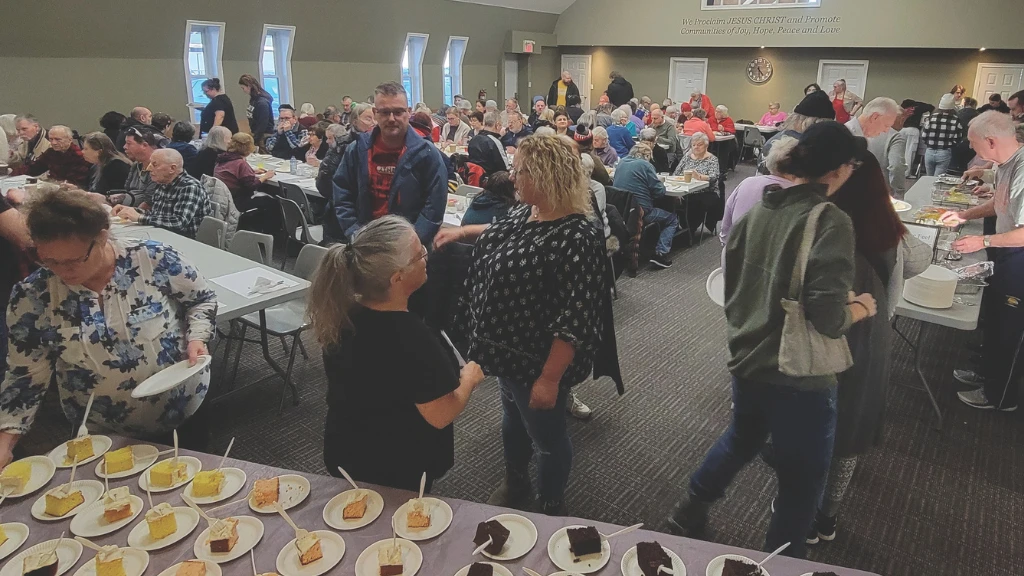
If You Cook It, They Will Come
By James Ash, Human Rights Team lead Just after the Christmas holidays, I visited with Don and Glenda Millard and...

Jesus Christ is at the center of our faith and beliefs. We are committed to follow Jesus, bring forth the kingdom of God, and seek together the revealing, renewing presence of the Holy Spirit.
Our hymnal, Community of Christ Sings, includes songs that reflect our beliefs and express our mission in the world.
The good news of Jesus Christ is at the center of the faith and beliefs of Community of Christ. We are a worldwide community and are committed to follow Jesus, bring forth the kingdom of God, and seek together the revealing, renewing presence of the Holy Spirit. We offer here our Basic Beliefs, not as the last word, but as an open invitation to all to embark on the adventure of discipleship. As we seek God’s continuing guidance, we encourage all people to study the scriptures and think about their experiences as they engage in the life of the church.
We believe in one living God who meets us in the testimony of Israel, is revealed in Jesus Christ, and moves through all creation as the Holy Spirit. We affirm the Trinity—God who is a community of three persons. All things that exist owe their being to God: mystery beyond understanding and love beyond imagination. This God alone is worthy of our worship.
We believe in Jesus Christ, the Son of the living God, the Word made flesh, the Savior of the world, fully human and fully divine. Through Jesus’ life and ministry, death and resurrection, God reconciles the world and breaks down the walls that divide. Christ is our peace.
We believe in the Holy Spirit, Giver of Life, holy Wisdom, true God. The Spirit moves through and sustains creation; endows the church for mission; frees the world from sin, injustice, and death; and transforms disciples. Wherever we find love, joy, peace, patience, kindness, generosity, faithfulness, gentleness, or self-control, there the Holy Spirit is working.
As an expression of divine love, God created the heavens and the earth and all that is in them, and called them "good." Everything belongs to God and should be cherished and used justly according to divine purposes. God sees creation as a whole without separation of spirit and element. God calls people of every generation to join with God as stewards in the loving care of creation.
Every human being is created in the image of God. In Jesus Christ, God took on the limits of human flesh and culture, and is known through them. We therefore affirm without exception the worth of every human being. We also affirm that God has blessed humankind with the gift of agency: the ability to choose whom or what we will serve within the circumstances of our lives.

God created us to be agents of love and goodness. Yet we misuse our agency individually and collectively. We take the gifts of creation and of self and turn them against God’s purposes with tragic results. Sin is the universal condition of separation and alienation from God and one another. We are in need of divine grace that alone reconciles us with God and one another.
The gospel is the good news of salvation through Jesus Christ: forgiveness of sin, and healing from separation, brokenness, and the power of violence and death. This healing is for individuals, human societies, and all of creation. This new life is the loving gift of God’s grace that becomes ours through faith and repentance. Baptism is how we initially express our commitment to lifelong discipleship. As we yield our lives to Christ in baptism we enter Christian community (the body of Christ) and have the promise of salvation. We experience salvation through Jesus Christ, but affirm that God’s grace has no bounds, and God’s love is greater than we can know.
God intends Christian faith to be lived in companionship with Jesus Christ and with other disciples in service to the world. The church of Jesus Christ is made of all those who respond to Jesus’ call. Community of Christ is part of the whole body of Christ. We are called to be a prophetic people, proclaiming the peace of Jesus Christ and creating communities where all will be welcomed and brought into renewed relationship with God, and where there will be no poor.
We affirm the Living God is ever self-revealing. God is revealed to the world in the testimony of Israel, and above all in Jesus Christ. By the Holy Spirit we continue to hear God speaking today. The church is called to listen together for what the Spirit is saying and then faithfully respond.
Scripture is writing inspired by God’s Spirit and accepted by the church as the normative expression of its identity, message, and mission. We affirm the Bible as the foundational scripture for the church. In addition, Community of Christ uses the Book of Mormon and the Doctrine and Covenants—not to replace the witness of the Bible or improve on it, but because they confirm its message that Jesus Christ is the Living Word of God. When responsibly interpreted and faithfully applied, scripture provides divine guidance and inspired insight for our discipleship.

Sacraments are special ministries given to the church to convey the grace of Jesus Christ to his followers and all those he yearns to touch with his compassion. Sacraments are baptism, confirmation, the Lord’s Supper, marriage, blessing of children, laying on of hands for the sick, ordination to the priesthood, and the evangelist blessing. In these ministries, God sanctifies common elements of creation to bless human life and to renew and form the church to seek the peaceful kingdom of God.
Being a Christian is more than holding a list of right ideas; it is about radical obedience to Jesus in every part of life. God’s boundless love sets us free for lives of responsible stewardship in which we generously offer our lives in service to God’s reign. Discipleship is both an inward and outward journey. Jesus calls us to follow him and to invite others to experience the transforming power of his grace.
Ministry is humble service offered according to the model of Jesus, who calls every disciple to share in ministry for the world. Some disciples are called by God and ordained to priesthood offices to serve the mission of the church in specialized ways. The Holy Spirit gives complementary gifts and abilities to all disciples to equip the body of Christ for its witness in the world.
The Reign of God is the coming triumph of love, justice, mercy, and peace that one day will embrace all of creation. Jesus’ life and ministry were the living expression of this promise. He taught his disciples to pray for the kingdom’s full coming and sent them out into the world to be living emblems of that new creation. "Zion" expresses our commitment to herald God’s peaceable kingdom on Earth by forming Christ-centered communities in families, congregations, neighborhoods, cities, and throughout the world.
Peace is God’s shalom: justice, righteousness, wholeness, and the well-being of the entire creation. Jesus, the Prince of Peace, came to preach the kingdom and to be our peace through the cross. The Holy Spirit empowers us for the costly pursuit of peace and justice for all people.
Christ is risen! Thus we believe that God is God of life, not of death. By faith we share in eternal life even now. In Christ, God’s love finally will overcome all that demeans and degrades the creation, even death itself. Easter also gives us hope that the tragic suffering and death of victims, throughout history, is not the last word. We believe the Holy Spirit will transform all creation to share in the glory of God.
The living God whom we serve is a God of justice and mercy. God cares about how we treat our neighbors and enemies and how we make use of creation’s gifts. It matters supremely to God how we welcome the poor, the stranger, the sick, the imprisoned, and the rejected. We affirm in scripture’s light that Jesus Christ is advocate and judge of the living and the dead.
We press forward together in service to God, knowing that our labor is not in vain. The future of the creation belongs to the Prince of Peace, not to those who oppress, dominate, or destroy. As we anticipate that future, we devote ourselves to seek Christ’s peace and pursue it. We do not know the day or hour of Christ’s coming but know only that God is faithful. With faith in God, Christ, and the Holy Spirit, we face the future in hopeful longing, and with the prayer that Jesus taught us to pray: "Thy kingdom come! Thy will be done, on earth as it is in heaven."
Read chapters 1-14 of Exploring Community of Christ Basic Beliefs: A Commentary by Anthony Chvala-Smith. This resource is only available in English.

We encounter God through the sacraments of the church, which touch lives at important times and places. Sacraments bring God’s grace, the influence of the Holy Spirit, and the example of the life of Jesus Christ together with one’s personal commitment of faith. Through the sacraments, we discover the presence of God everywhere and realize that all life is sacred.
These encounters point to God’s loving desire to bring all people to peace, wholeness, and right relationships with one another and the Divine, which is the meaning of salvation. The sacraments refresh, renew, and challenge us to continue on Christ’s mission, our mission, for the sake of all creation.
Community of Christ has eight sacraments, most of which are celebrated in worship experiences at appropriate times.
Jesus began his work by asking to be baptized (Matthew 3:13–17). Baptism is a public act announcing you are choosing to follow Jesus Christ with all of your heart, might, mind, and strength. It is a decision that marks a significant point in recognizing God’s initiative in your life, turning toward God, and entering a covenant relationship to the community of disciples and God.
In baptism, we are immersed in water to symbolize death to sin and raised from the water to begin a new life. Paul, an early convert to Christianity, wrote how baptism symbolizes a complete following of Jesus and a dramatic change of life: “When you were buried with him in baptism you were also raised with him through faith in the power of God” (Colossians 2:12 NRSV).
People old enough to make their own decision may be baptized in Community of Christ. This is considered the age of 8 and older. Baptism represents a first step toward membership in Community of Christ.
As Jesus comes out of the water (Matthew 3:13–17), the Holy Spirit, represented as a dove, descends on him. As followers of Jesus, we are baptized of water and the Holy Spirit. Following baptism of water, new disciples take part in the sacrament of confirmation. It “confirms” membership in Community of Christ, and affirms the Holy Spirit’s continued blessing for each disciple.
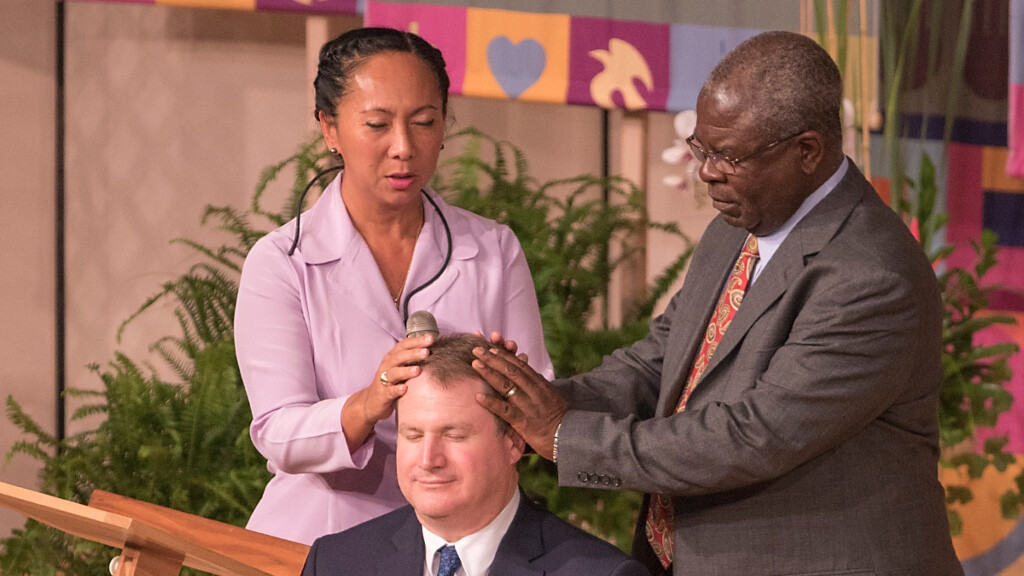
In the sacrament of confirmation, elders place their hands on the head of the new disciple, and one elder offers a special prayer. The prayer of confirmation seeks God’s blessing to help new members grow in their covenant and generously share their giftedness in support of the church’s mission. The commitment made through baptism and confirmation is active “discipleship expressed through covenant with God and others in sacred community” (Doctrine and Covenants 164:2d). Confirmation helps weave people into the fabric of community—both congregation and worldwide church—so they can grow in discipleship.
Jesus gave his disciples a piece of bread and a drink of wine and said to them: “‘Take, this is my body’….‘This is my blood of the covenant, which is poured out for many’” (Mark 14:22–24 NRSV). The Gospel of Luke further says, “‘Do this in remembrance of me’” (Luke 22:19 NRSV). The Communion meal is shared the first Sunday of each month in the congregation and on special occasions.
All who believe in Christ, which usually is expressed in water baptism, whether members of Community of Christ or not, are welcome to share the Lord’s Supper. This is an opportunity to celebrate again our baptism and confirmation covenants, reconcile relationships, and mutually recommit to the church’s mission. It plays an important role in healing and strengthening the congregational community. Preparation should include reconciling with others, confessing our faults, and asking for and offering forgiveness. We cannot be reconciled with God if we are not reconciled with others (Matthew 5:23–24).
Jesus called people to follow him, be his disciples, and use their gifts for others (Luke 6:12–13). Some are called by God to be ordained ministers because their gifts help them serve the covenant community in specific ways.
Ordination recognizes the divine initiative to call certain disciples to particular priesthood responsibilities and ministries for the sake of the community, the congregation, and the world. This sacrament often is performed in a worship service. Officiating ministers, usually two, lay their hands on the person’s head. One minister offers a prayer, naming a specific priesthood office to which the person is being ordained, and may include added guidance and blessing. The congregation, representing the entire church, commits to receive the ministry that will come from the newly ordained priesthood member.
Ordination confers authority on priesthood members according to the responsibilities of their particular priesthood offices. Priesthood members act within the guidelines and setting of the church community, upholding high standards of ministerial ethics and serving with integrity and trustworthiness.
When Jesus was a young child, Mary and Joseph took him to the temple “to present him to the Lord” (Luke 2:21–35 NRSV). During Jesus’ adult ministry, parents brought their children to him to be blessed (Mark 10:14). When families bring their babies to be blessed by the elders, they are responding to God’s grace by choosing to raise their child in God’s loving community and promising to provide guidance and nurture throughout the child’s lifetime. The congregation also commits to being a loving community in which the child can thrive and grow as a disciple of Jesus Christ.
Two elders administer the blessing of children, usually during a worship service in the presence of the child’s family and the congregation. The elders hold, support, or place their hands on the child, and one elder offers a prayer of blessing. Children from newborn through age 7 may be blessed. This sacrament is available to any child regardless of the family’s membership in Community of Christ.
Jesus blessed those who were hurting in many ways. The disciples anointed with oil many who were sick and healed them (Mark 6:13). We find many stories of blessing the sick in the New Testament, reflecting God’s desire for wholeness and shalom for all creation.
During times of physical, mental, or emotional distress, people may seek this sacrament from ministers. This sacrament opens a way for healing in whatever form it comes.
Usually two elders administer this sacrament together. They visit with the person to find out more about the person’s need. One elder places a drop of consecrated oil on the forehead of the person, places hands on the person’s head, and offers a statement of purpose and blessing. The second elder then places hands on the person’s head and offers a prayer for wholeness and well-being. This may be done privately or in the presence of family, friends, and the congregation. This sacrament is available to all seeking wholeness in body, mind, and spirit.
Jesus Christ taught that the bond between two people who love and commit to each other in a formalized covenant is sacred (Matthew 19:4–6). He blessed marriage with his presence (John 2:1–11). Christian marriage is a sacred covenant between two people for lifelong, healthy, loving companionship. Marriage is also a legal agreement. The sacrament of marriage highlights God’s desire to strengthen and enrich the marriage.
A Community of Christ marriage ceremony includes a statement of mutual covenant, “‘You both mutually agree to be each other’s companion…’” (Doctrine and Covenants 111:2b), and a pronouncement prayer, “‘May God add his blessings and keep you to fulfill your covenants from henceforth and forever. Amen’” (Doctrine and Covenants 111:2d). The couple’s agreement establishes a lifelong bond, a covenant to share Christ-like love with each other, with others, and with God.
Community of Christ priests and elders may perform this sacrament, regardless of the couple’s membership in Community of Christ, as long as local laws governing marriage are followed.
Jesus prayed a special prayer for his disciples to guide them in their journey (John 17, Luke 22:31–32). Today, an evangelist blessing can be requested by individuals, couples, families, households, groups, and congregations who want to feel God’s loving grace and guidance. Time is spent in preparation through prayer, spiritual practices, study, and discernment. An evangelist or team of evangelists will guide the preparation. Once adequate preparation is completed, the evangelist(s) offers a prayer.
This sacrament expresses the universal love of God for the recipient(s) and brings assurance, clarifies choices, and provides light for a lifetime of faithful discipleship in response to God.

This free book introduces readers to our mission, message, and beliefs.

There are many lives waiting to hear the redeeming words of the gospel, or to be lifted from hopelessness by the hands of loving servants. But they will be lost to you without the generous response of disciples who share from their own bounty that others may know the joys of the kingdom.
In simple terms, we are called to respond with thankfulness and share with others as generously as God has shared with us. The six principles of a Disciples’ Generous Response help us grow into-and expand-our true capacity as faithful stewards who live generously.
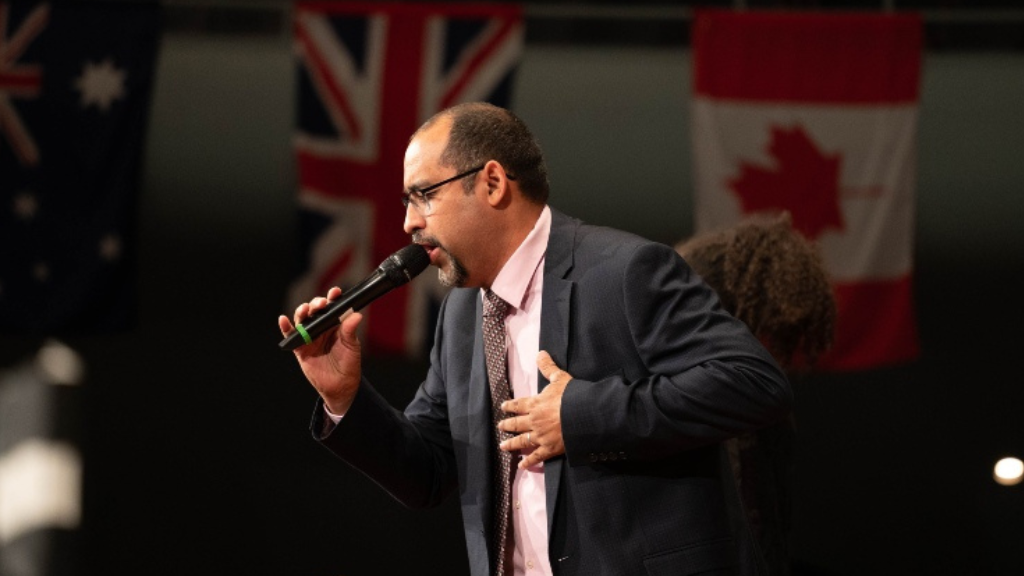
God gifts each person with boundless grace and unending love. God's gifts for each of us are expressed through the life and ministry of Jesus Christ.

When we faithfully respond to the ministry of Jesus Christ we become accountable to one another, God, and ourselves. Our response to God’s gifts of love and grace is to serve others and let generosity become part of our nature.

Managing the money we have, no matter the amount, expresses our desire to love and help God, neighbors, ourselves, and the world. When we focus our giving on God's purposes, our hearts become more aligned with God's heart.
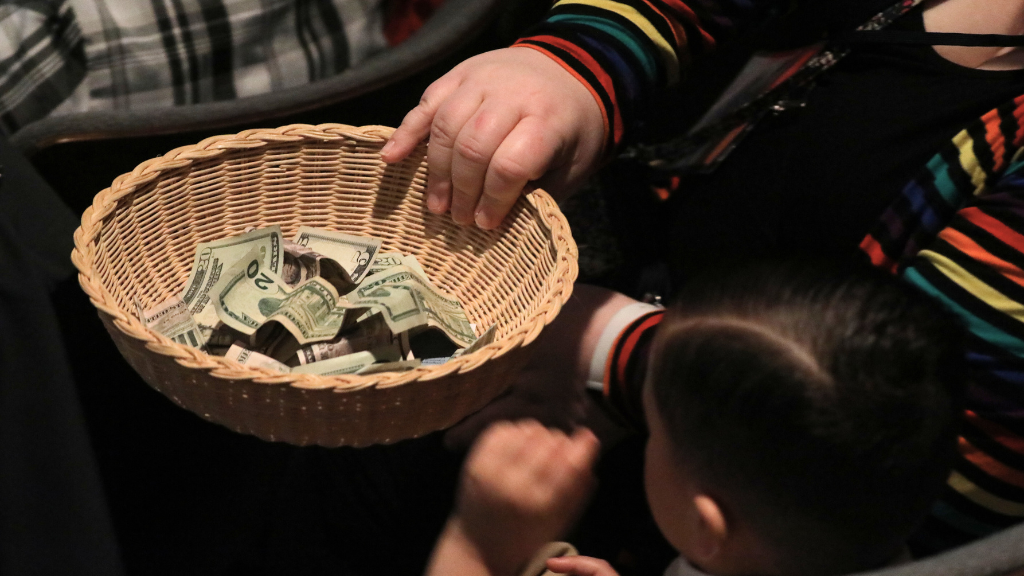
Tithing is a spiritual practice. It is a gift of thanksgiving to God in response to God's generous gifts to us. When we share our tithes, the church can spread joy, hope, love, and peace around the world so others can experience God's generosity, too.

Saving is a way to prepare for the future. It gives us the chance to extend our love and create a better tomorrow for our families, friends, the church's mission, and the world.
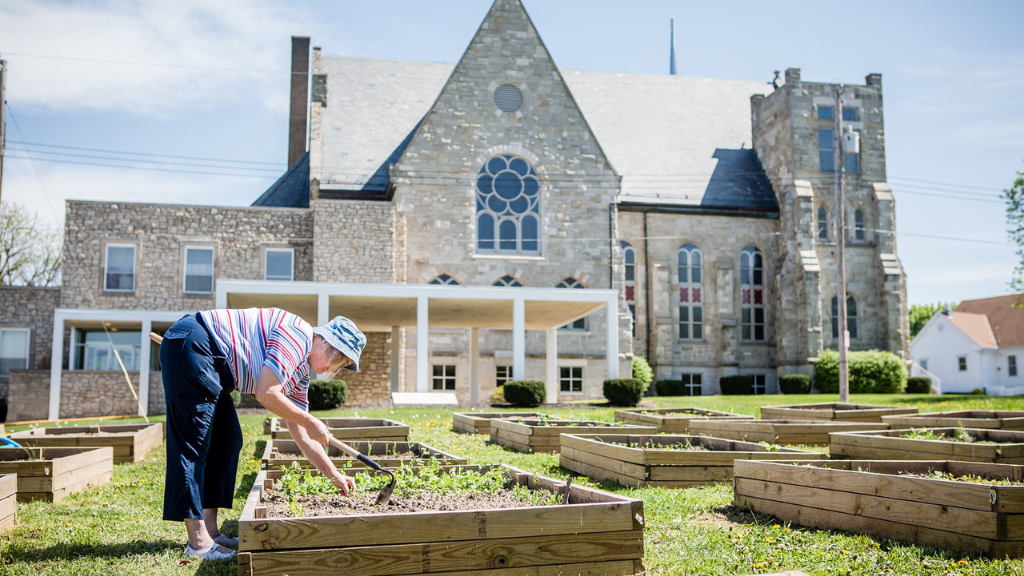
Responsible spending is a commitment to live a healthy, happy life together with God and others. The teachings of Jesus challenge us to make lifestyle choices that are often countercultural.
The Theology Formation Team was created by the First Presidency in 2002 to advise the Presidency in addressing key theological issues facing the church. Also, a purpose of the team is to enrich theological reflection among the church’s members and leaders.
Learn how the church is pursuing Christ's mission in neighborhoods, villages, and communities around the world. Christ's mission, our mission.
By James Ash, Human Rights Team lead Just after the Christmas holidays, I visited with Don and Glenda Millard and...

In the fall of 2025, Joelle Wight, Elray Henrickson, and I facilitated a Wild Church weekend retreat. A dozen folks...

By Christie Skoorsmith Seattle, Washington, USA Peace, for me, is not stillness that passes...
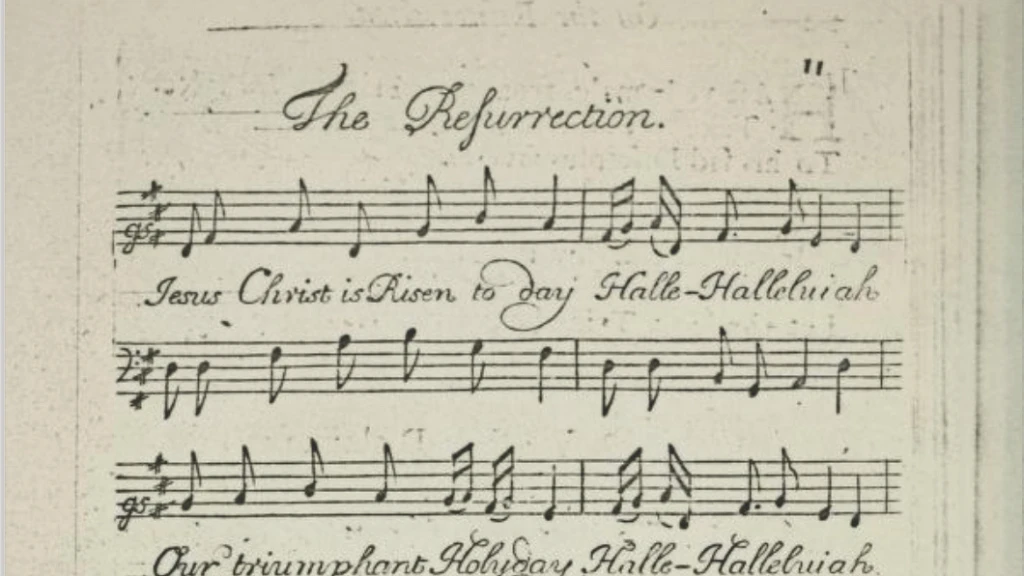
By Jane GardnerFormation Ministries Team Alleluia! This expression of praise has evolved throughout centuries of...