1820
Our Story
From a small grove in New York to the islands of the South Pacific and the savannas of Africa, diverse places and peoples make up Community of Christ’s story. Our history has grown and is now shared by hundreds of thousands of believers across the world. It is a story of hope for an impoverished people, a shared lesson on justice and equality in ministry, and a unique testimony of the forgiving grace of God. And our collective story will continue to resonate in the hearts and minds of our people long into the future.
"Restoring the Ancient Order”
Our movement was born out of the age of reform, revival, and restoration that began in the United States at the dawn of the 19th century. Many new denominations were forming and challenging older, dominant groups. Many believers from the era hoped to restore “the ancient order of things” that had once existed in Christ’s New Testament church. They hoped such a restoration would end all sectarian strife. Apostle Lachlan Mackay and Theologian Tony Chvala-Smith explore "Restoring the Ancient Order" in a Project Zion Podcast episode. Listen
Spiritual Seekers
Early members of our church legitimately could be termed spiritual seekers. Many had gone from one group to another searching for truth. In our movement they found a spiritual home that helped meet some of their deepest spiritual longings. This legacy of seeking and journeying continues in our movement today.
Joseph Smith Jr.
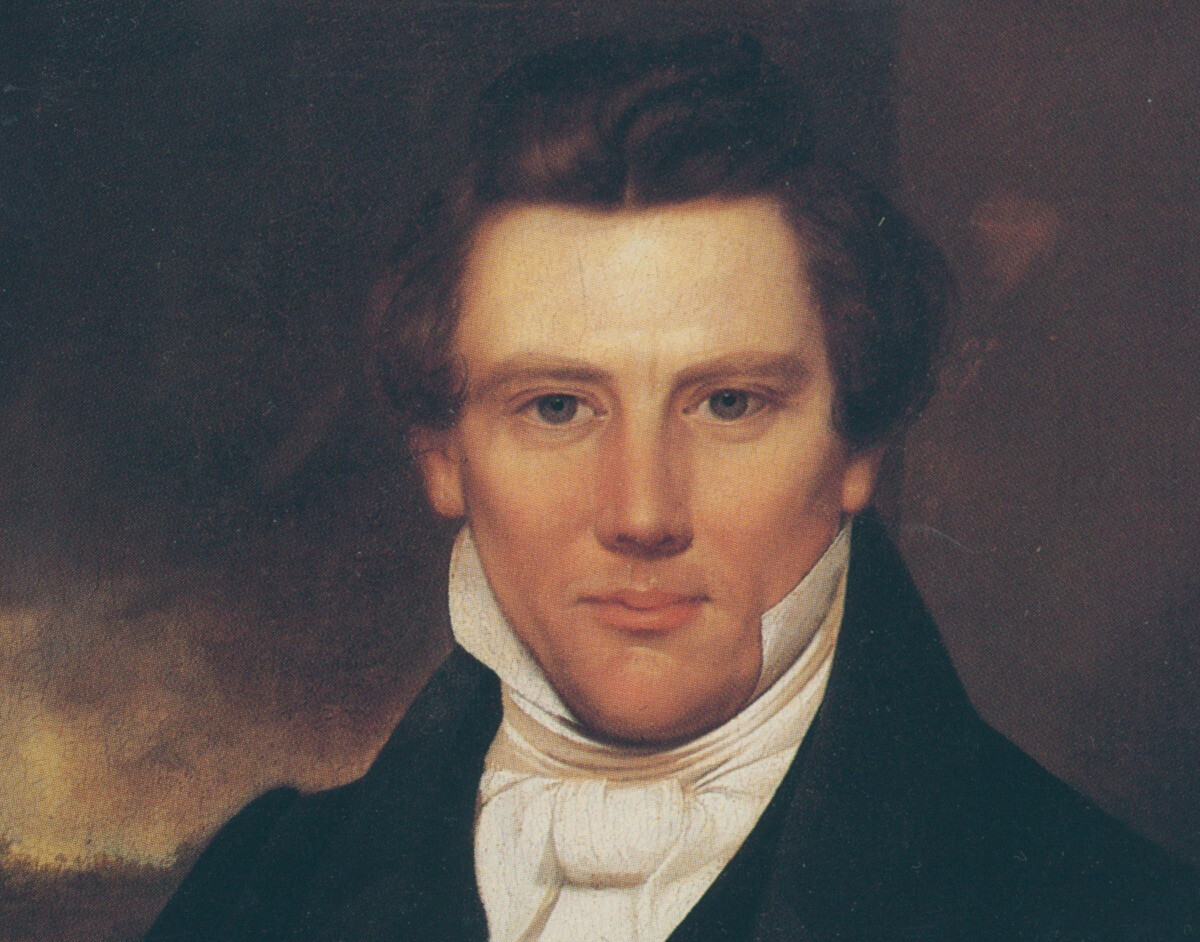
Born in 1805, Joseph Smith Jr. was the founder of our movement. His story began as a teenage boy kneeling in the woods in upstate New York, praying for answers to religious questions that had divided his family and neighbors. The guidance he received in the grove began a life-long journey with God that brought both exhilarating joy and heartache to Joseph and his family. Apostle Lachlan Mackay and Theologian Tony Chvala-Smith explore Joseph Smith’s conversion experience in a Project Zion Podcast episode. Listen
Book of Mormon
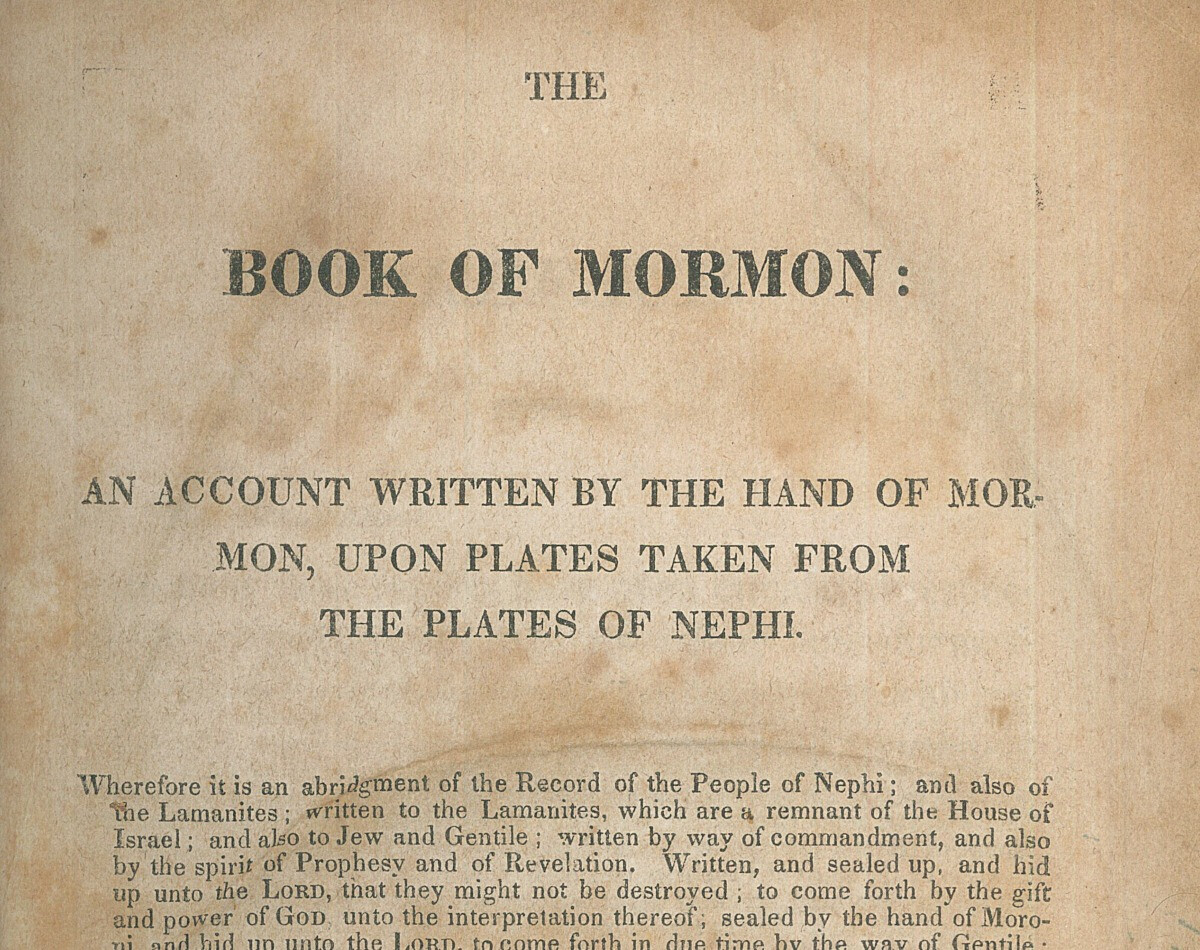
Joseph’s personal experience with God did not end when he left the grove that spring day. He continued to have significant spiritual experiences, one of which led to the Book of Mormon. This new book of scripture shared a story of Christ’s ministry with people of the Americas. Apostle Lachlan Mackay and Theologian Tony Chvala-Smith explore the Book of Mormon in a Project Zion Podcast episode. Listen
Church of Christ
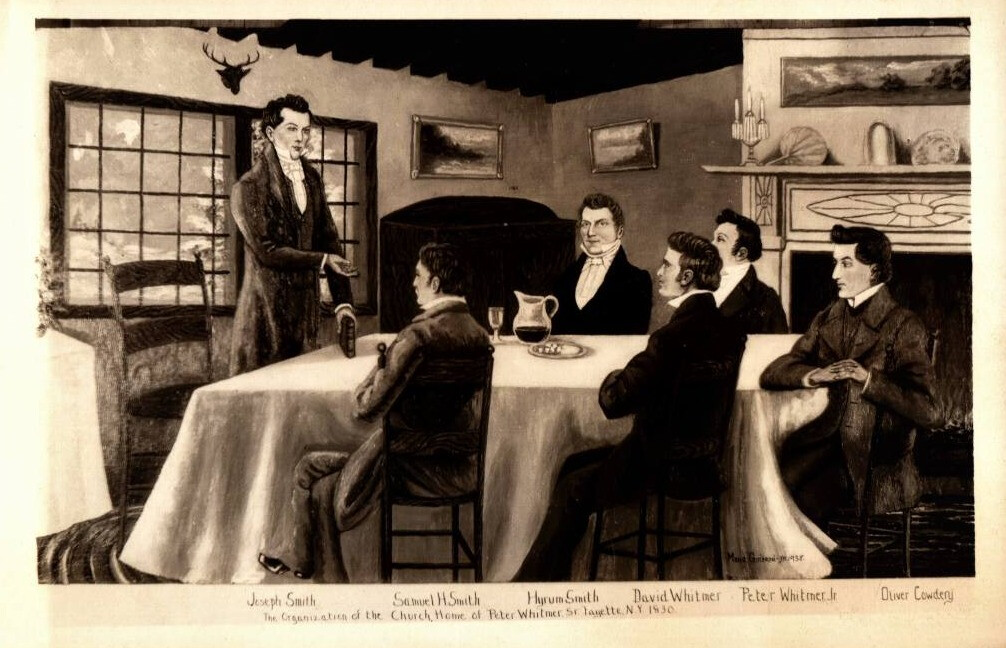
Following its publication, Joseph and a small group of believers established a new church, officially organized as the “Church of Christ” on April 6, 1830.
Earliest Missions
The missionary zeal of the new church called for active ministry of all its members. Four missionaries set out on an 800-mile journey toward Missouri, on the western frontier of the United States in the 1830s. Their excitement in sharing the gospel of Jesus Christ was contagious, and they spent several weeks sharing and baptizing people in Ohio on their travels west.
First Gathering Places
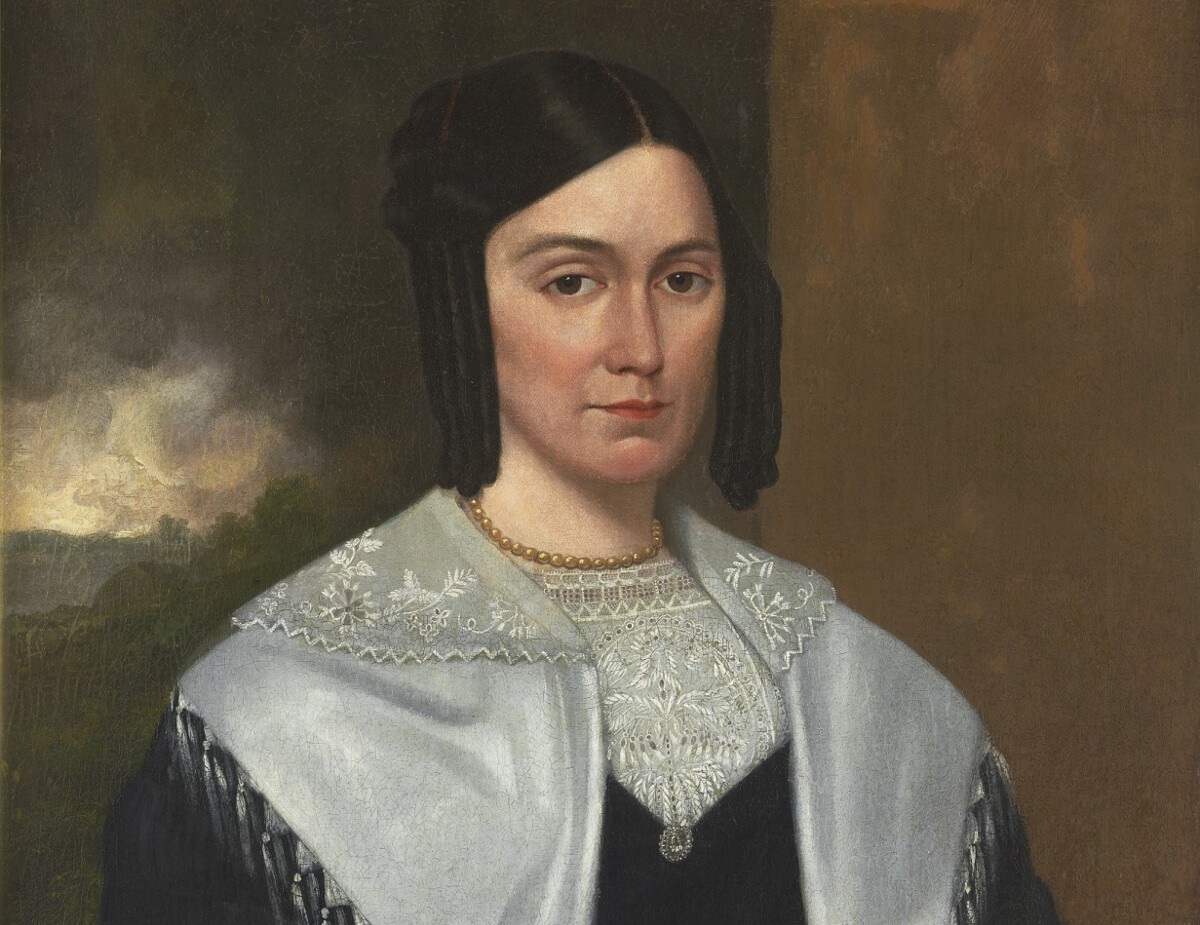
As conflicts with neighbors increased in New York, church members began to move west and gather together in Ohio and Missouri. By January 1831, Joseph and his wife, Emma, had traveled to Kirtland, Ohio, where the church would be headquartered for the next seven years. Apostle Lachlan Mackay and Theologian Tony Chvala-Smith explore the church's presence in Kirtland in a Project Zion Podcast episode. Listen
The Center Place
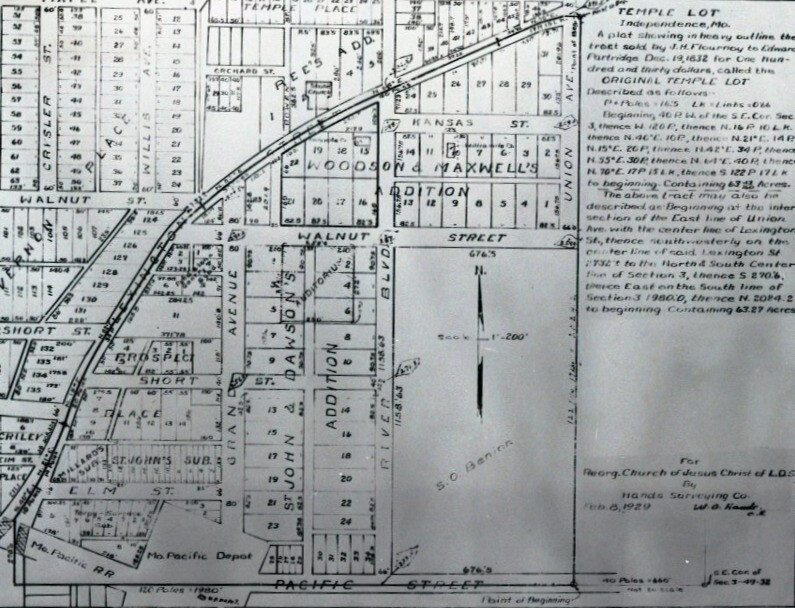
A revelation given in August 1831 designated Independence, Missouri, as the center place of Zion—a promised land for God’s chosen people. Missouri quickly emerged as a second gathering place as new members and converts came from all over the United States. Land was dedicated for a temple, a printing press was set up, and a school was established. Apostle Lachlan Mackay and Theologian Tony Chvala-Smith explore the church's presence in Missouri in a Project Zion Podcast episode. Listen
Conflicts in Missouri
Problems began to develop, in part, because many of the new settlers were Easterners. Their habits, way of life, and beliefs were far different from those who had chosen to settle in the West. Neither side was totally blameless, but neither seemed willing or able to understand the other’s point of view. By 1833, tensions ran high, and church members were driven from Independence and forced to abandon their homes and farms. Apostle Lachlan Mackay and Theologian Tony Chvala-Smith explore the church's exile from Independence in a Project Zion Podcast episode. Listen
Kirtland Temple
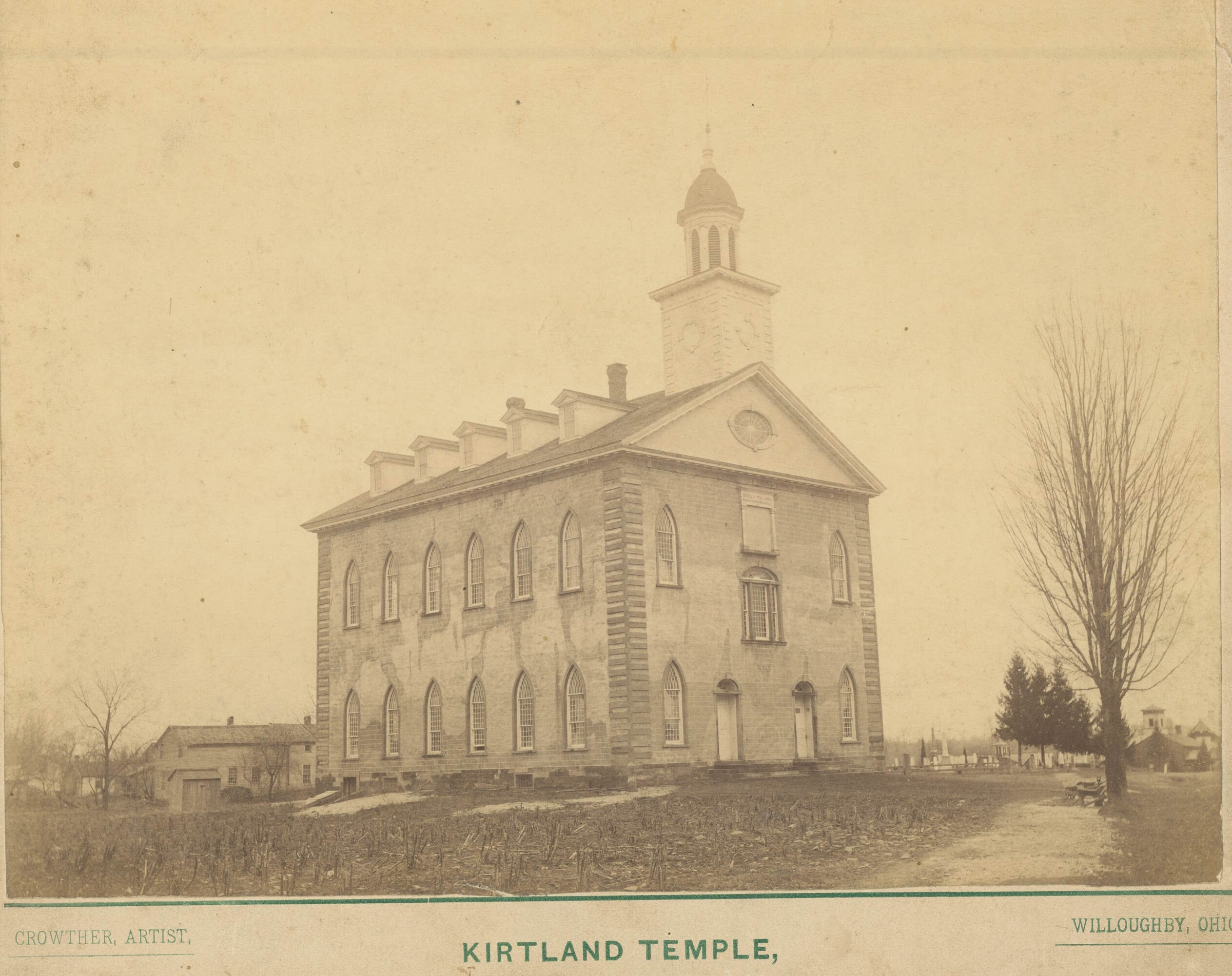
At the same time the Missouri church was experiencing hardships, members in Ohio were beginning to build a magnificent temple atop the Kirtland hills. Dedicated in 1836, Kirtland’s “House of the Lord” stood at the center of community life. It became a place of education, public worship, and church administration.
Doctrine and Covenants
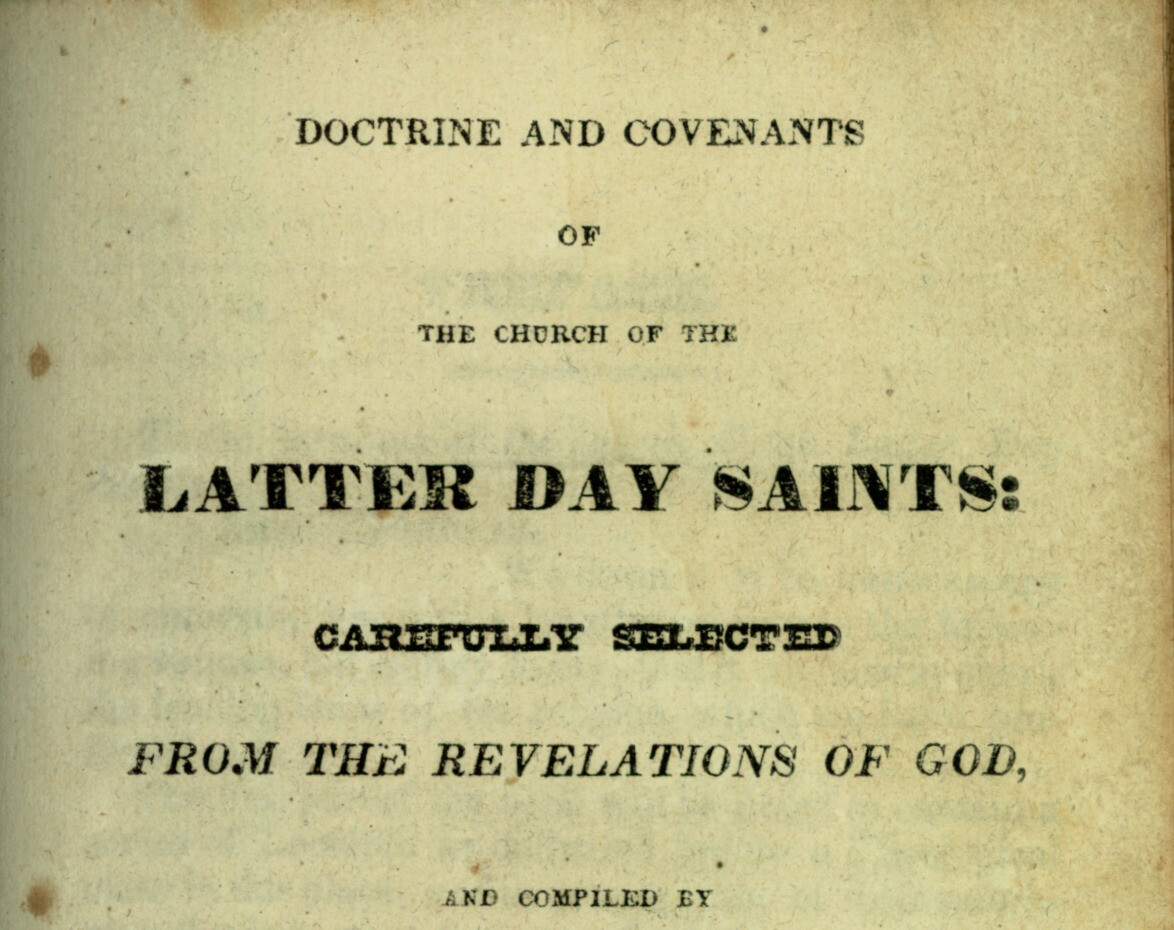
In the early nineteenth century, many Methodists, Shakers, and others reported God’s prophetic voice speaking through them. Our unique contribution was to write down our revelations and canonize them as scripture. In 1835 a compilation of these revelations called the Doctrine and Covenants was printed in Kirtland, Ohio. In the decades that have followed, every prophet-president of our church has added new revelations to this book of scripture, which remains an open canon. Like our ancestors, we believe God still speaks to us today. Apostle Lachlan Mackay and Theologian Tony Chvala-Smith explore the Doctrine and Covenants in a Project Zion Podcast episode. Listen
Exiled from Zion
By 1836, many church members who suffered hardship and persecution in Independence had regrouped in northern Missouri. The following year, church leaders founded a bank in Kirtland which collapsed. The resulting financial crisis resulted in the abandoning of Kirtland as a gathering place. By the spring of 1838, most of the church from Kirtland, including Joseph Smith, his wife Emma, and their children, traveled west to join church members in northern Missouri.
Tensions Escalate
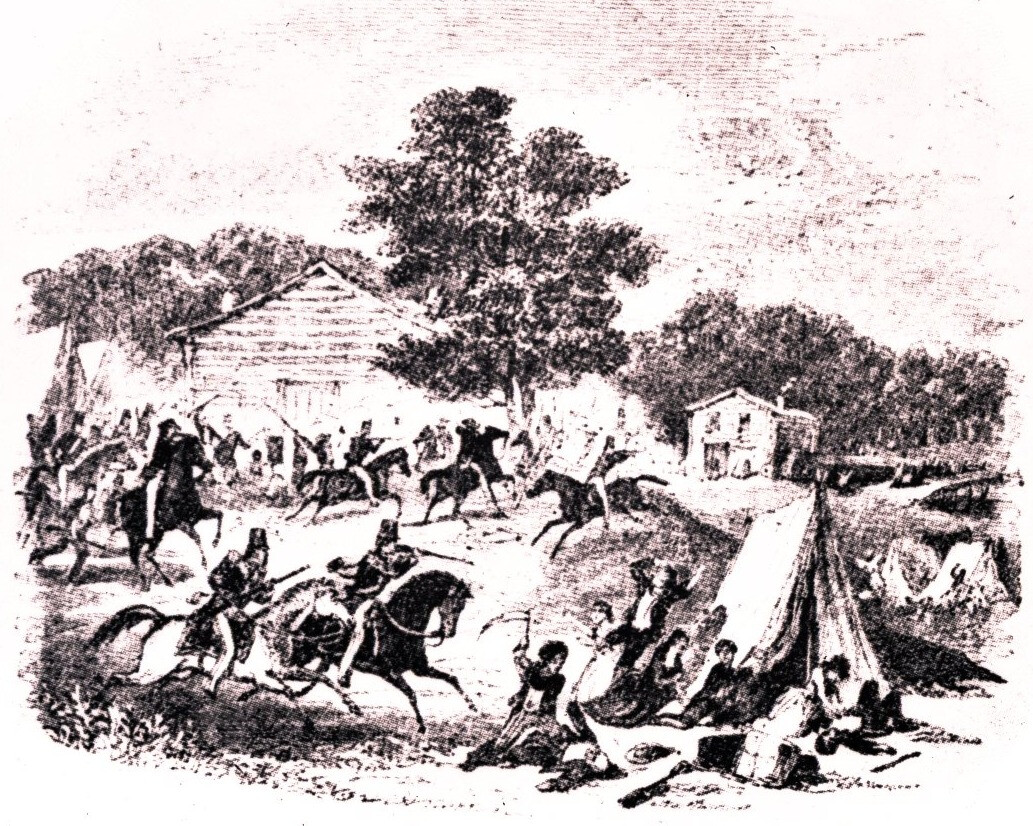
As members arrived from the East they discovered a tense political and religious environment. Local residents saw the influx of converts as a political threat. Tensions escalated and the Missouri governor issued an expulsion order that forced our church members to leave the state. Apostle Lachlan Mackay and Theologian Tony Chvala-Smith explore the tensions in Missouri in a Project Zion Podcast episode. Listen
Nauvoo
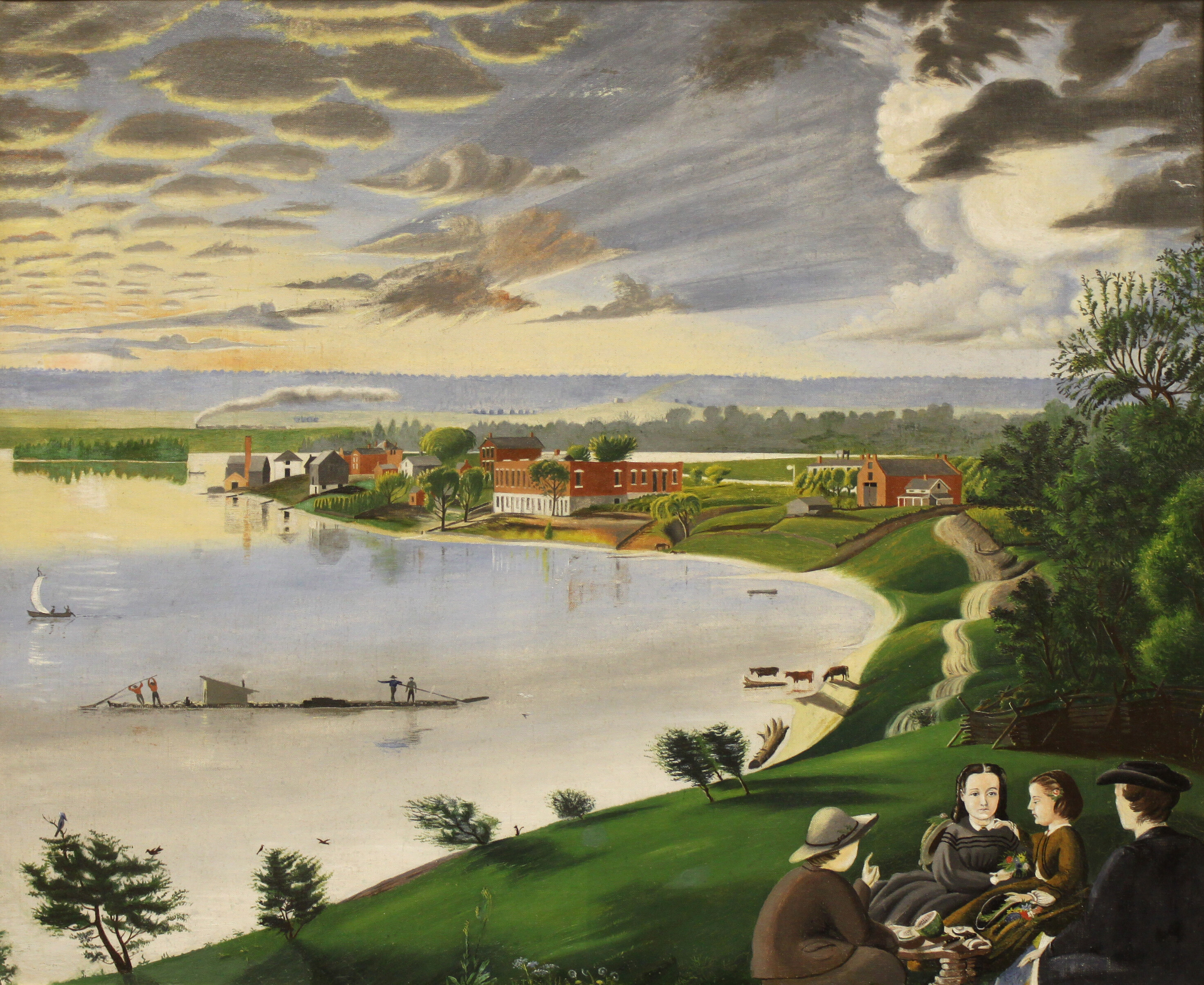
The chilling winter trek ended after members crossed the frozen Mississippi River and reached the safety of Quincy, Illinois. From there they traveled north and established a new settlement called Nauvoo on the banks of the Mississippi. Over the next seven years members transformed Nauvoo from a desolate swamp to a beautiful city. Likewise, our movement underwent a similarly radical transformation in Nauvoo. Apostle Lachlan Mackay and Theologian Tony Chvala-Smith explore the Nauvoo period in a Project Zion Podcast episode. Listen
A Transformed Community
The City of Nauvoo, the church’s fourth attempt at a zionic community, rose quickly and boasted thousands of inhabitants, stores, craft shops, newspapers, and schools, eventually becoming the second largest city in Illinois. Work also began on a new temple.
"Saints” vs. “Gentiles”
In some ways, the hardships of Missouri made our community stronger, allowing us to form a powerful common identity. Unfortunately, a stronger concept of “us” resulted in a stronger concept of “them.” Church members regularly referred to non-members as “Gentiles.”
The Assassination
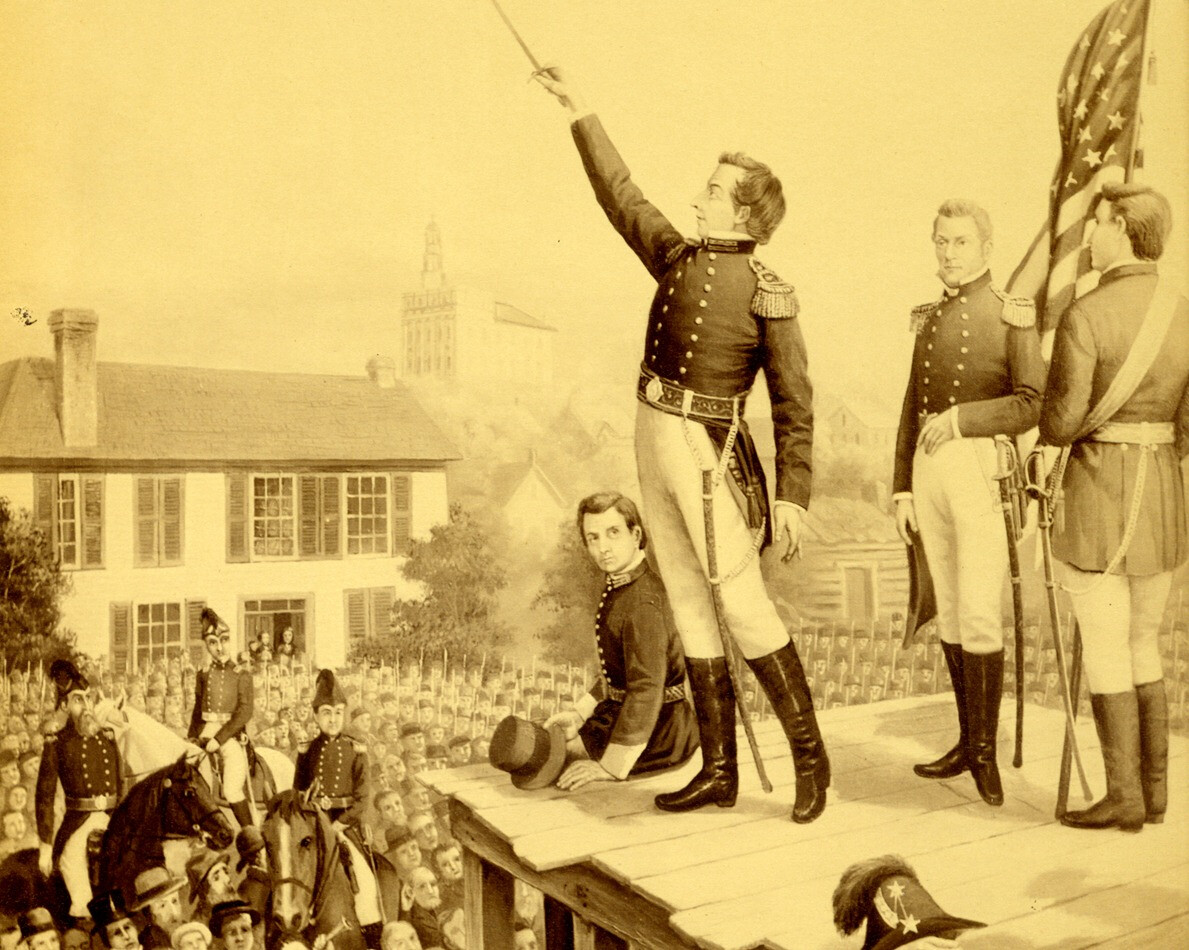
As new theologies and practices were introduced to the church, many people were shocked and alarmed. When some members challenged these practices in a local newspaper, Joseph called on the Nauvoo marshal and his deputies to destroy the printing press. This action caused an uproar in the surrounding area. Joseph was arrested, posted bond, and was immediately rearrested on charges of treason. While awaiting trial in the town of Carthage, a mob stormed the jail and killed Joseph and his brother Hyrum.
Succession Crisis
Following the death of Joseph Smith Jr., the church was left without a clear leader. Over the next 16 years, our movement fractured into numerous factions under various leaders. Some were focused on the earliest Restoration doctrines, others looked to Kirtland or Nauvoo for guidance, while yet others created post-Nauvoo innovations. Polygamy continued to be an especially divisive issue for many of the diverging factions. Those church members who opposed polygamous practices found themselves scattered across the Midwest without a leader or an organized church.
1844
The Era of Reorganization
Joseph Smith III
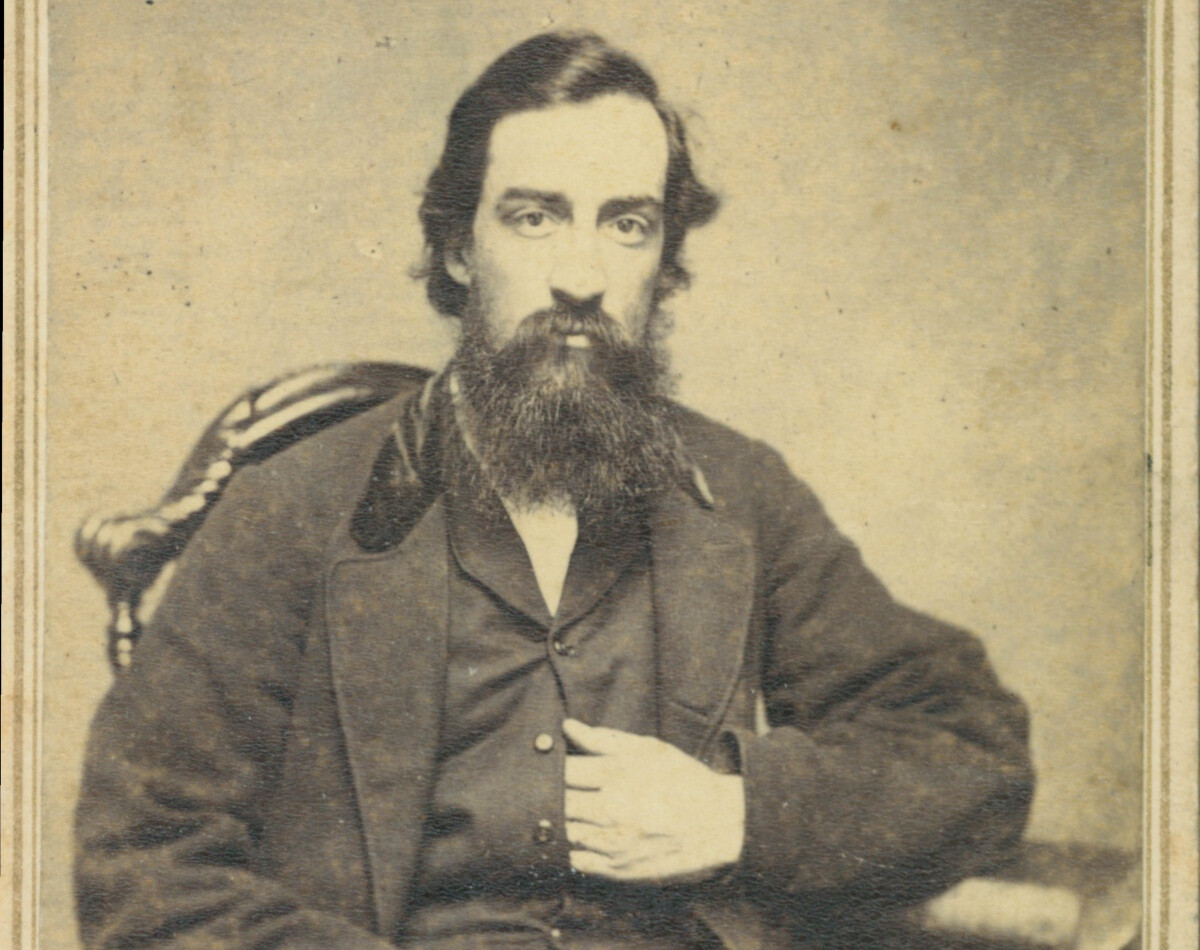
In 1860, Joseph Smith III accepted leadership of the scattered church. As a teenager in Nauvoo after the great exodus, Joseph remained unaffiliated with any faction of our movement. He was elected by Nauvoo citizens as justice of the peace in 1857, overcoming the stigma that local people associated with the name “Joseph Smith.” But even more important was his re-election in 1861. Voters were able to assess his fairness to settle such issues as property ownership rights, business contract relationships, and marriage. His reelection reflected the confidence people had in his wise decision making. After much prayerful soul searching, Joseph felt God’s calling and traveled to a gathering of church members in Amboy, Illinois. There he was ordained as the president of our church on April 6, 1860.
A Herald to the Saints
Joseph III came of age in Nauvoo. The largely abandoned city, the ruins of the temple, and his father’s grave constantly reminded him of the conflicts our movement faced in its early years. He knew it was important for our church to reestablish an identity of its own. The True Latter Day Saints’ Herald was first published in 1860. Under Joseph III’s leadership, The Herald became a platform for leaders and members to recount mission experiences, discuss issues, and share perspectives on our faith community’s unique calling. The periodical, now simply called the Herald, continues to fulfill this function today, 150 years after its founding.
First Overseas Missions
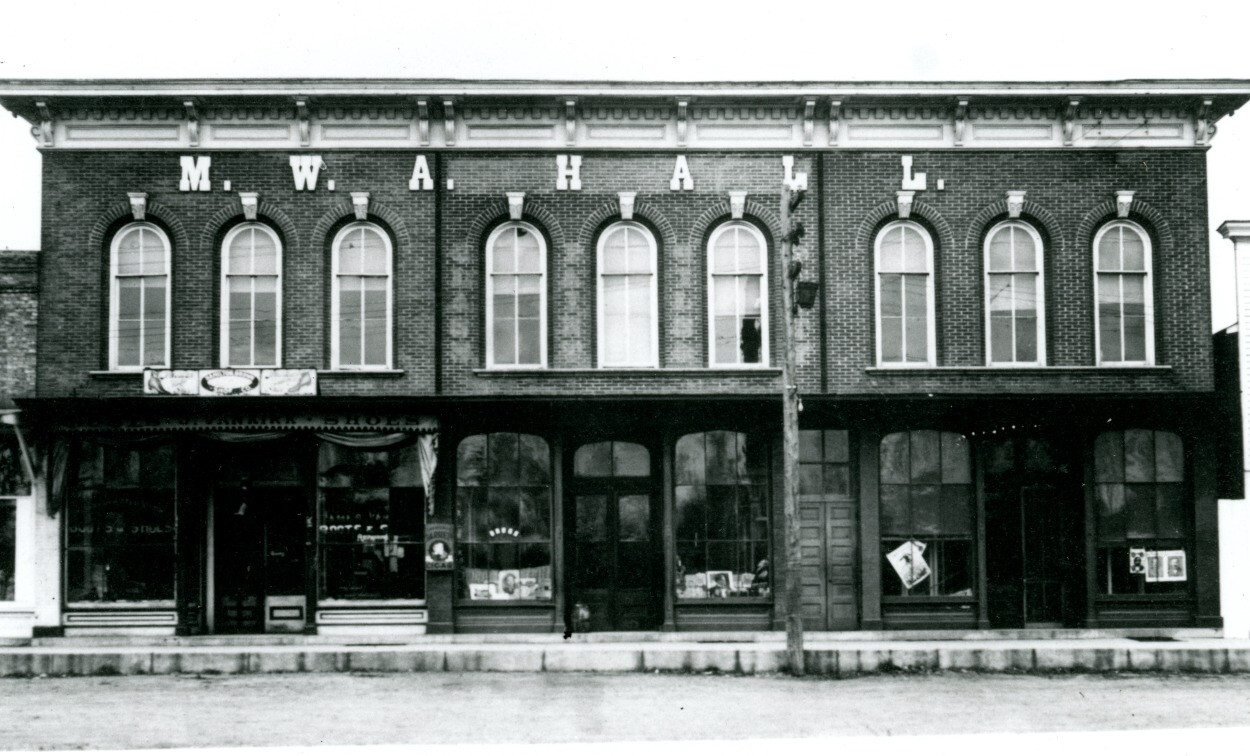
Since the beginning of our movement, members have embraced the call to share the gospel. Eager missionaries traveled to Canada, the British Isles, Australia, Palestine, Tahiti, Belgium, the Netherlands, Norway, Switzerland, Germany, Italy, Sweden, and Denmark under the leadership of Joseph Smith III.
Plano
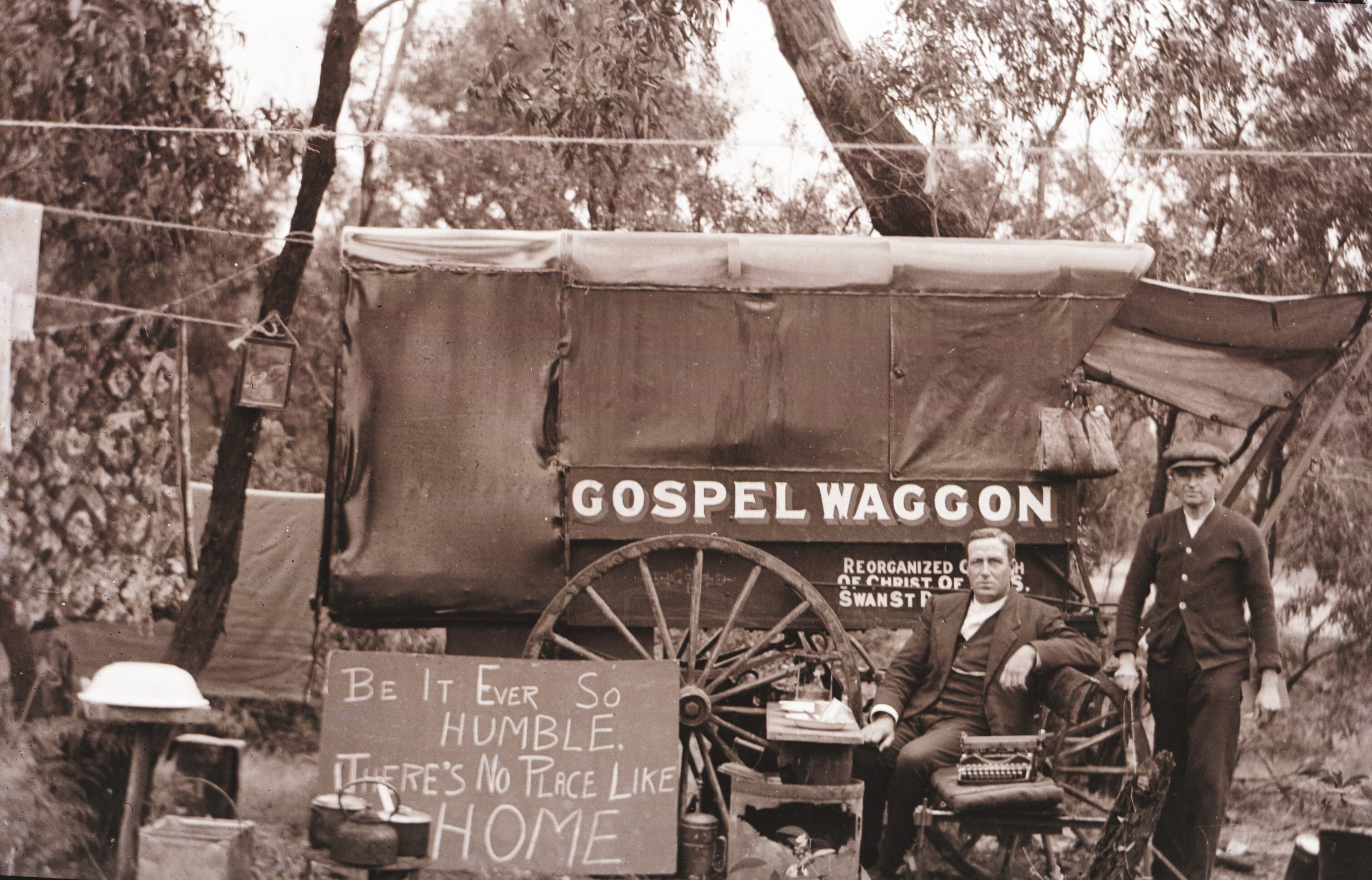
Although Plano, Illinois, functioned as headquarters of the church, many members continued to desire building a new community. Joseph III counseled caution—knowing from experience that gathering and living exclusively could lead to conflict. Apostle Lachlan Mackay and Theologian Tony Chvala-Smith explore the Plano period in a Project Zion Podcast episode. Listen
Lamoni
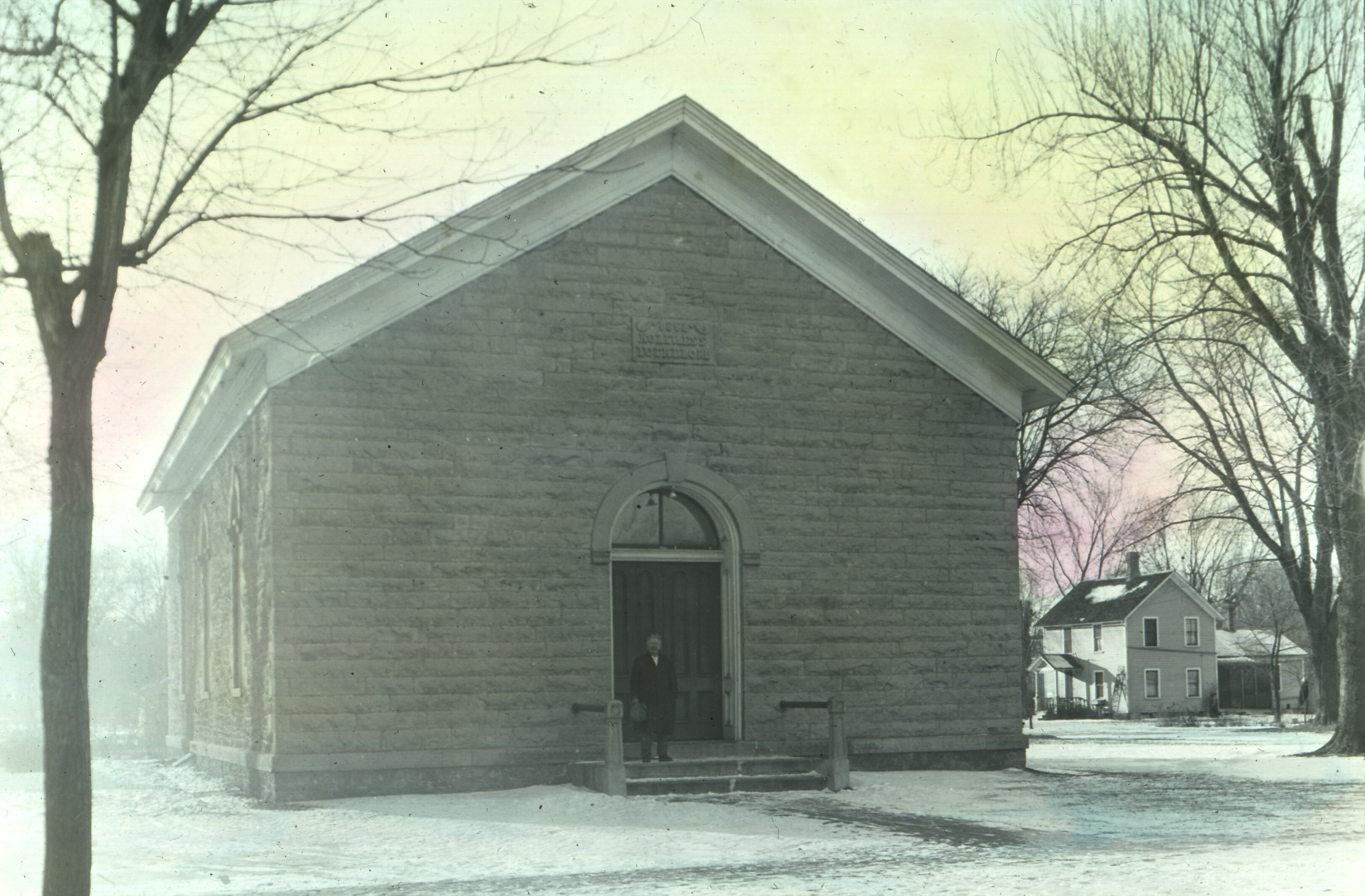
Eventually, church leaders agreed to a new settlement in southern Iowa and named it Lamoni. In 1881, Smith III relocated his family to Lamoni, along with the church administrative offices and printing presses of Herald Publishing House. Apostle Lachlan Mackay and Theologian Tony Chvala-Smith examine the Lamoni, Iowa, to Independence, Missouri, period of our history in a Project Zion Podcast episode. Listen
Reclaiming the Center Place
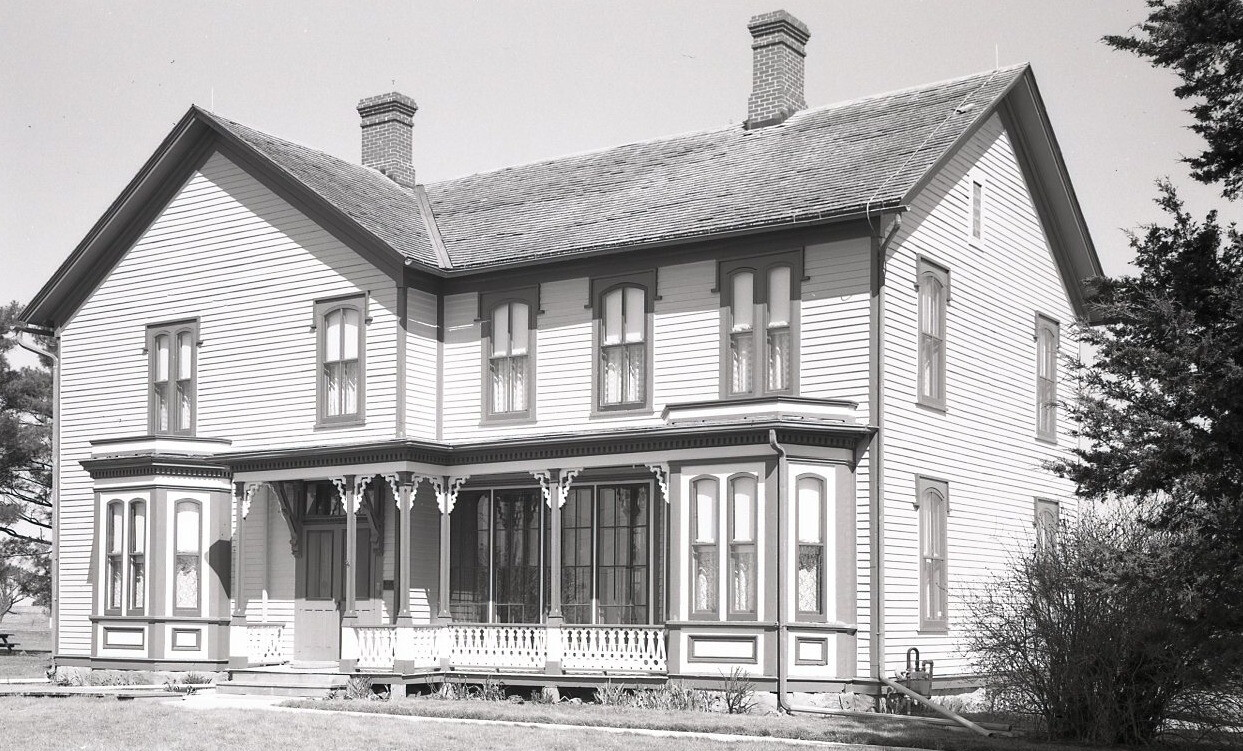
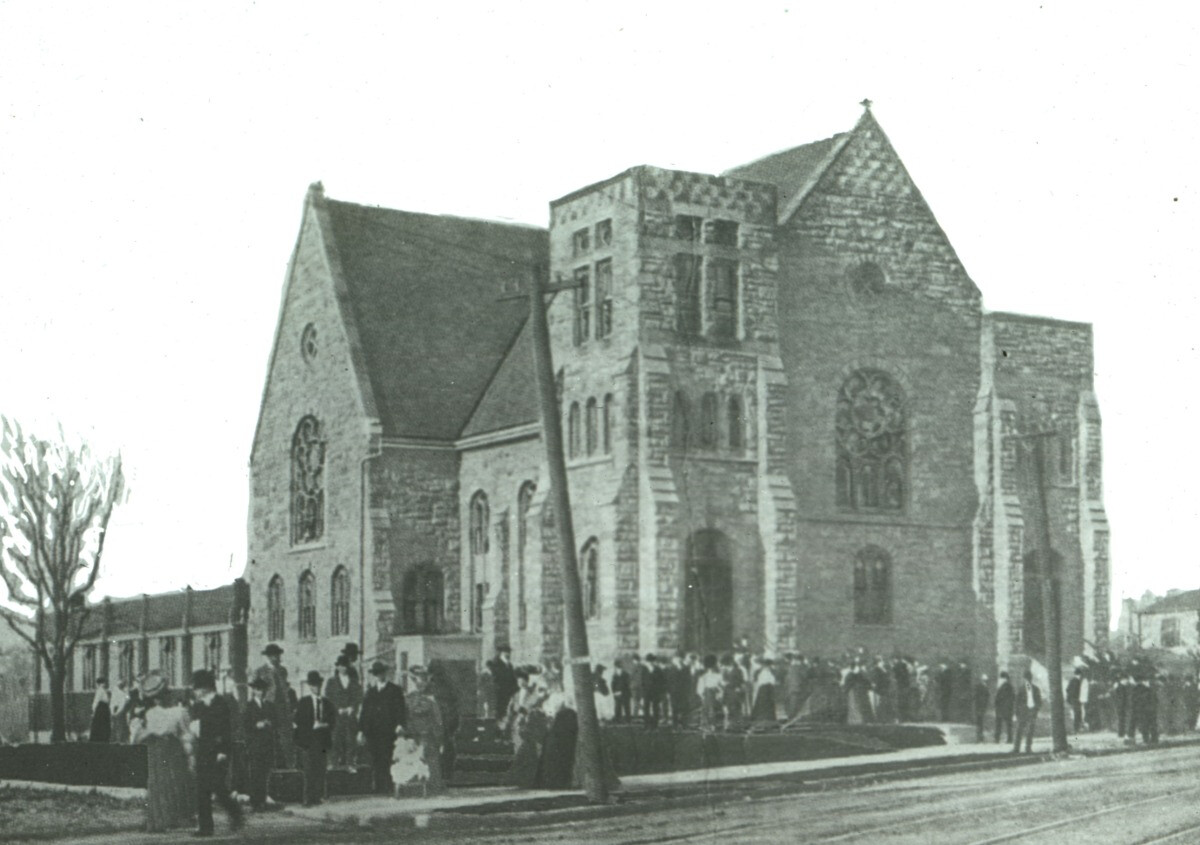
By the late nineteenth century, a large number of church members had returned to Independence, Missouri, to claim land designated by Joseph Smith Jr. as the center of Zion. In 1888, a thriving congregation had formed and began building a large church simply known as “Stone Church.” Apostle Lachlan Mackay and Theologian Tony Chvala-Smith examine the Lamoni, Iowa, to Independence, Missouri, period of our history in a Project Zion Podcast episode. Listen
Proclaiming Peace
One of the lasting effects of Joseph Smith III’s leadership of the church is the emphasis he placed on Jesus Christ and the call to be peacemakers.
Frederick M. Smith
Joseph Smith III’s son, Frederick M. Smith, became president of the church in 1915. He fervently believed that our community could show the world how the gospel of Jesus Christ could bring about social change and betterment. For him, the physical and spiritual needs of people were inseparable. Building Zion was our expression of the larger movement in Christianity known as the social gospel or tangible expressions of Christ’s kingdom at work in the world. Fred M. Smith was passionate about building strong communities and furthering the cause of Zion, the peaceable kingdom. Apostle Lachlan Mackay, theologian Theologian Tony Chvala-Smith, and Project Zion Podcast host Karin Peter discuss prophet-president Fredrick M. Smith in a Project Zion Podcast episode. Listen
The Auditorium
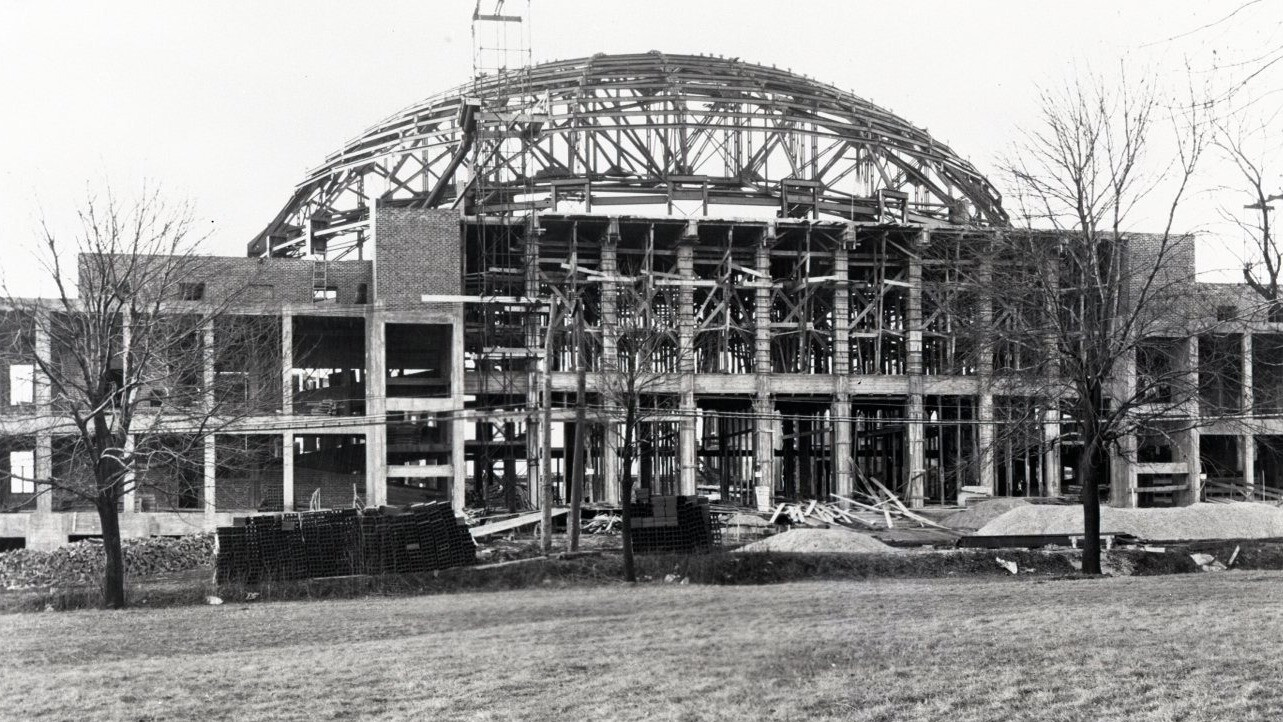
In 1926 construction began on a massive, domed structure in Independence, Missouri, called the Auditorium. With the advent of the Great Depression, the building project dragged on over several decades with church General Conferences held in the unfinished Conference Chamber. After many years of struggle and renewed fiscal responsibility, the Auditorium was completed and World Conference and community events continue to take place beneath its vast dome.
1946
The Era of Worldwide Community
Israel A. Smith
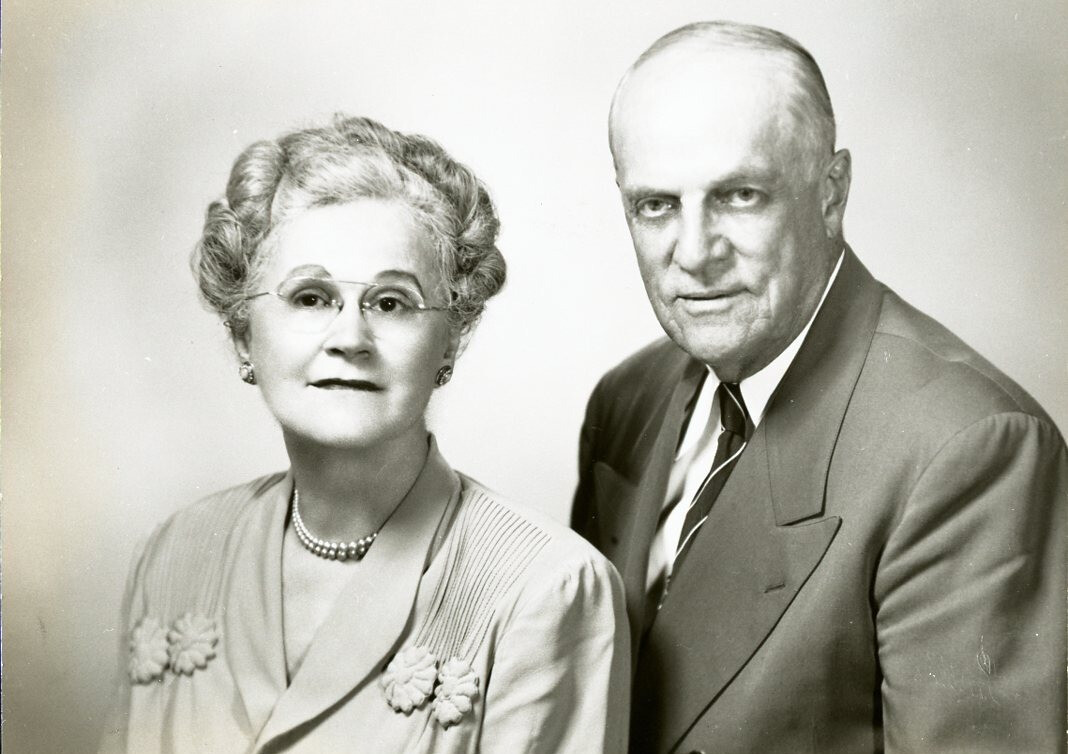
In 1946, Joseph Smith III’s son, Israel A. Smith, succeeded his brother Fred M. as president of the church. Israel’s leadership was filled with pastoral and reconciling ministry. He also believed strongly in continuing education for ministers and encouraged further study and theological education. Apostle Lachlan Mackay and Theologian Tony Chvala-Smith explore the Israel A. Smith era in a Project Zion Podcast episode. Listen
Internationalization of the Church
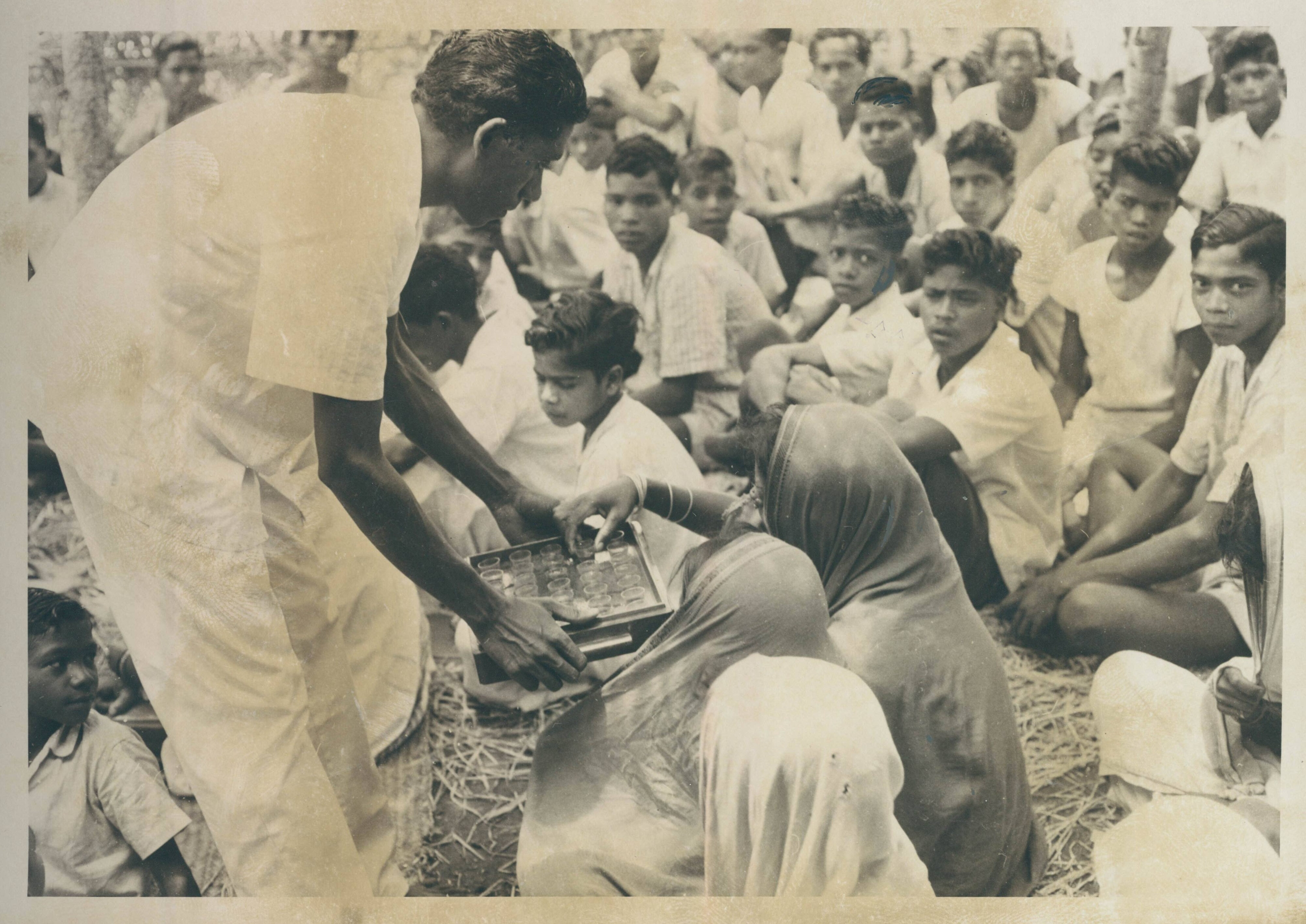
Although a few thousand members lived in the British Isles, Europe, Australia, and the South Pacific, our church fundamentally remained a North American organization at the end of World War II. A second wave of international missionary zeal surged forward in the 1960s, with missionaries establishing the church in countries including Japan, Korea, Brazil, Nigeria, Argentina, the Philippines, and Honduras.
W. Wallace Smith
By the time W. Wallace Smith, another son of Joseph III, became president of the church in 1958, expansion around the world was increasing and expanded rapidly in the following decade. He was able to personally visit many of these new congregations. As the church moved into these cultures, there were necessary “growing pains.” Leaders had to face hard questions and look closely at history and theology, working to determine what beliefs and practices were only culturally based and which were basic foundations. Breaking a precedent long held by other church leaders, W. Wallace chose to retire rather than serve until his death. He designated his son Wallace B. Smith as his successor in 1976 and retired as “president emeritus” in 1978. Apostle Lachlan Mackay and Theologian Tony Chvala-Smith explore the W. Wallace Smith era in a Project Zion Podcast episode. Listen
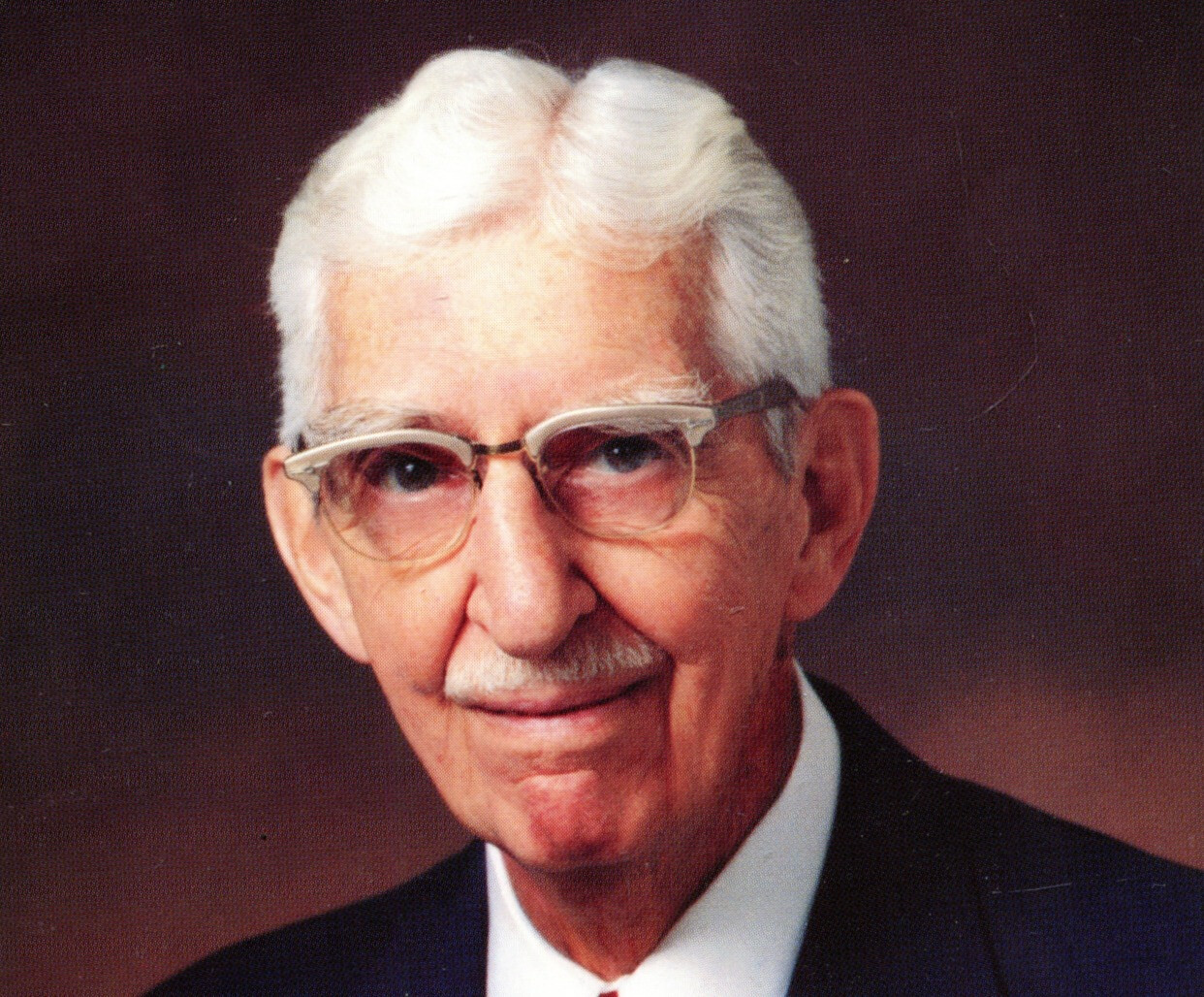
Wallace B. Smith
During Wallace B. Smith’s tenure as president of the church, many reforms were introduced. Some of those include ordaining women to serve in priesthood (ministry) roles, opening Communion to all Christians regardless of denomination, and building bridges with other faith communities. Apostle Lachlan Mackay and Theologian Tony Chvala-Smith explore the Wallace B. Smith era in a Project Zion Podcast episode. Listen
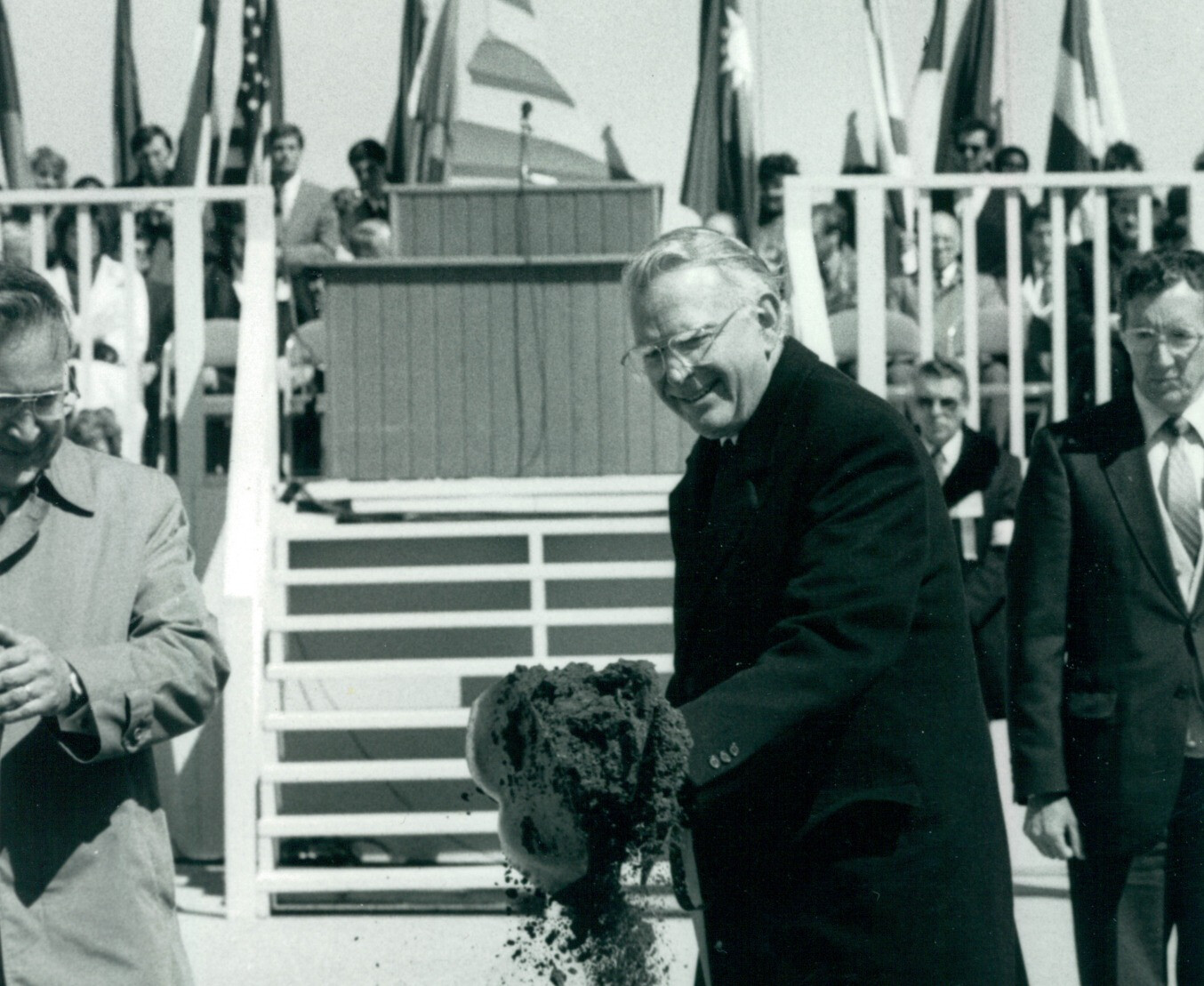
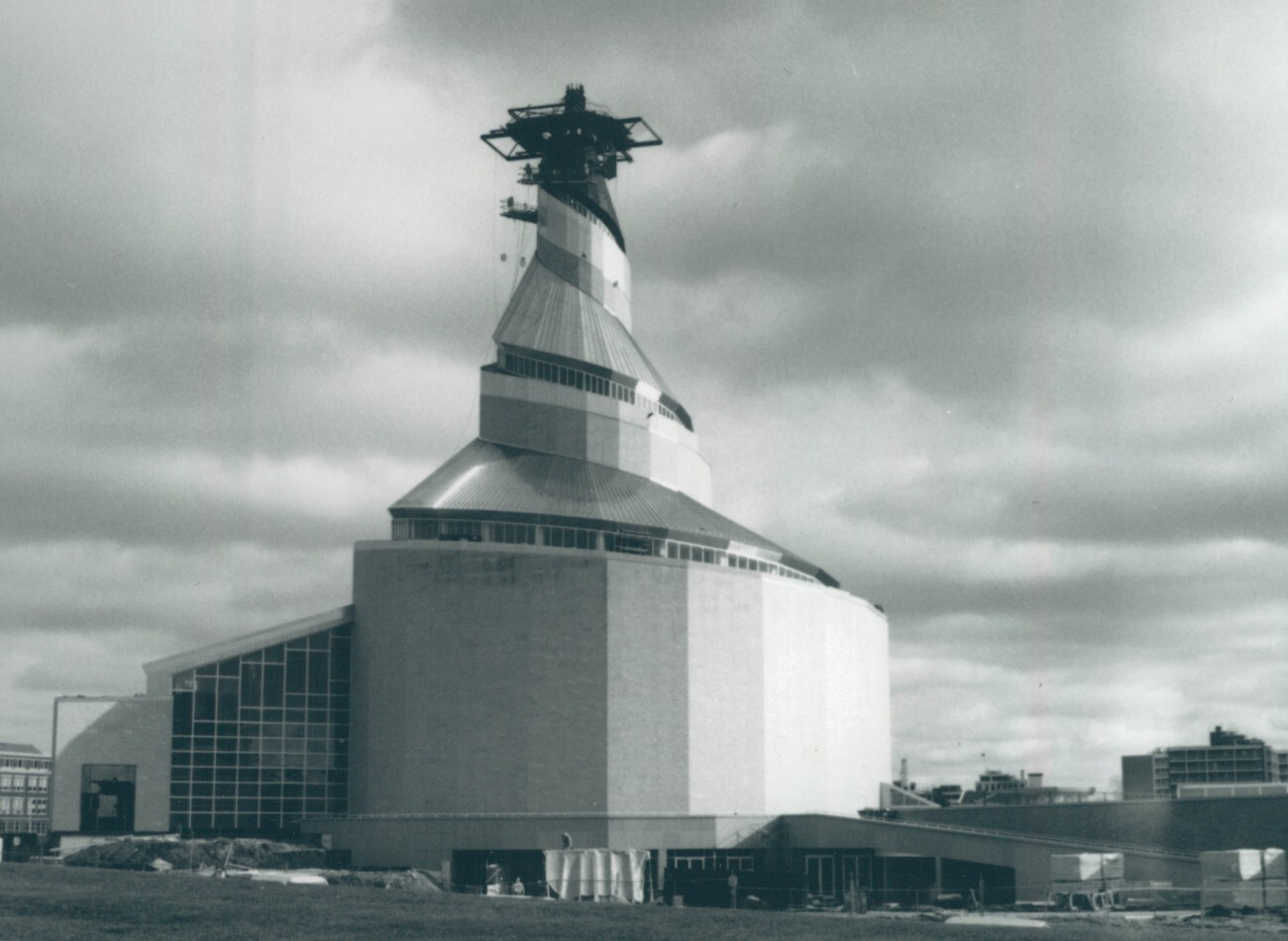
Independence Temple
On April 6, 1990, members of the church broke ground for the long-awaited temple in Independence. This temple marked both continuity with the past and a new beginning for the church. Like its Kirtland predecessor, the new temple was to serve as a place of worship, learning, and administration. The Temple was officially dedicated in 1994 to “the pursuit of peace, reconciliation, and healing of the spirit.”
W. Grant McMurray
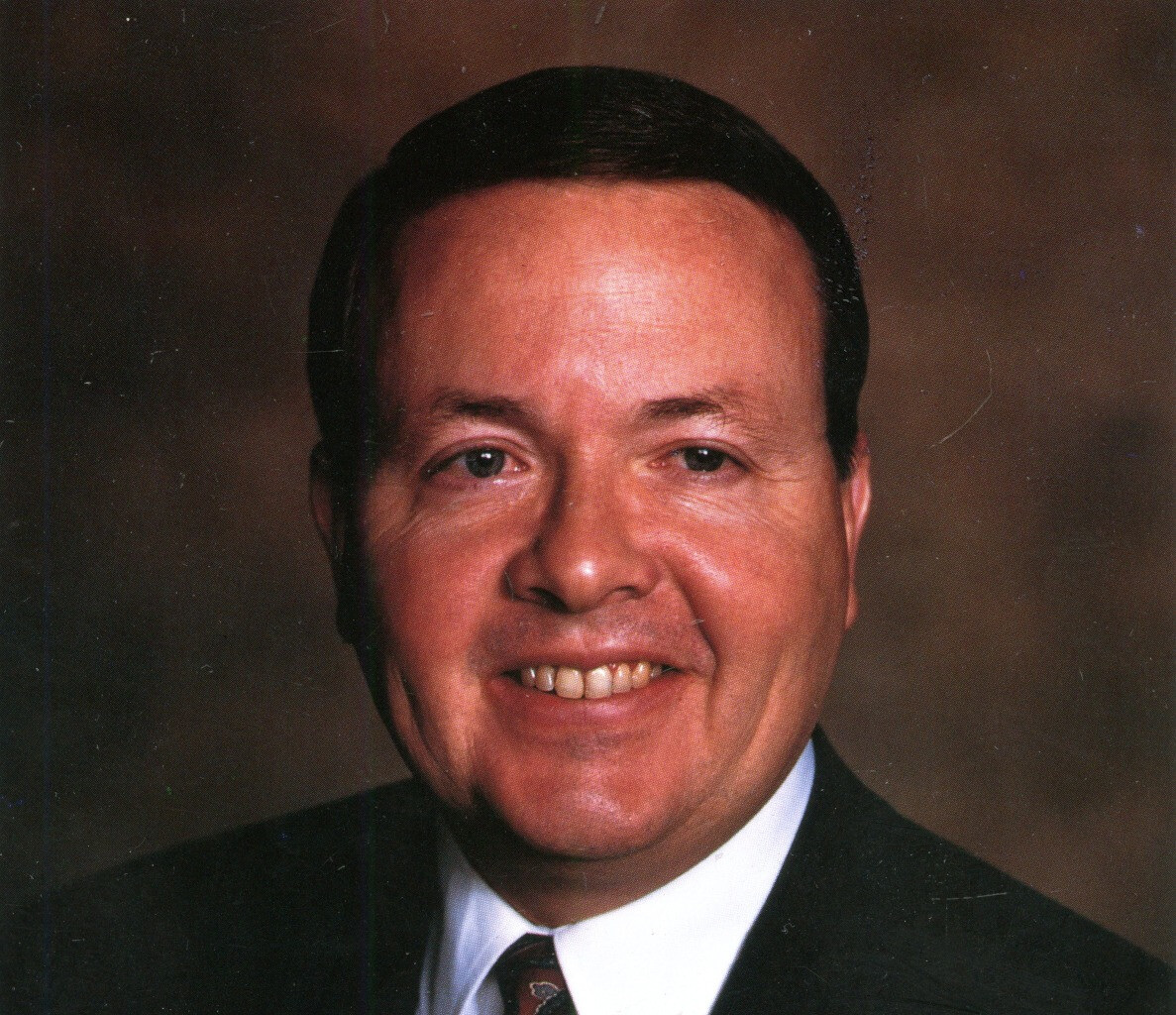
In 1996, Wallace B. Smith named W. Grant McMurray as his presidential successor. This was the first time in our church’s history that someone outside the Smith family would lead the church. As a historian and a visionary, McMurray challenged the church to honor its heritage while looking to the future. During his leadership, our church embraced a new name. In 2001, we officially became known as Community of Christ to better articulate our mission to “proclaim Jesus Christ and promote communities of joy, hope, love and peace.” Apostle Lachlan Mackay and Theologian Tony Chvala-Smith explore the W. Grant McMurray era in a Project Zion Podcast episode. Listen
A Prophetic People
In his closing sermon at the 1996 World Conference, McMurray reminded us that we have a special calling not only as a people with a prophet but as a prophetic people. That idea was echoed in a revelation later known as Doctrine and Covenants Section 162, when the church was reminded that as a prophetic people, we are called to “discern the divine will for your own time and in the places where you serve.” When he resigned in 2004 without a designated successor, we were encouraged to take up our calling as a prophetic people and prayerfully discern together as a worldwide church whom God would call to lead the church next.
Stephen M. Veazey
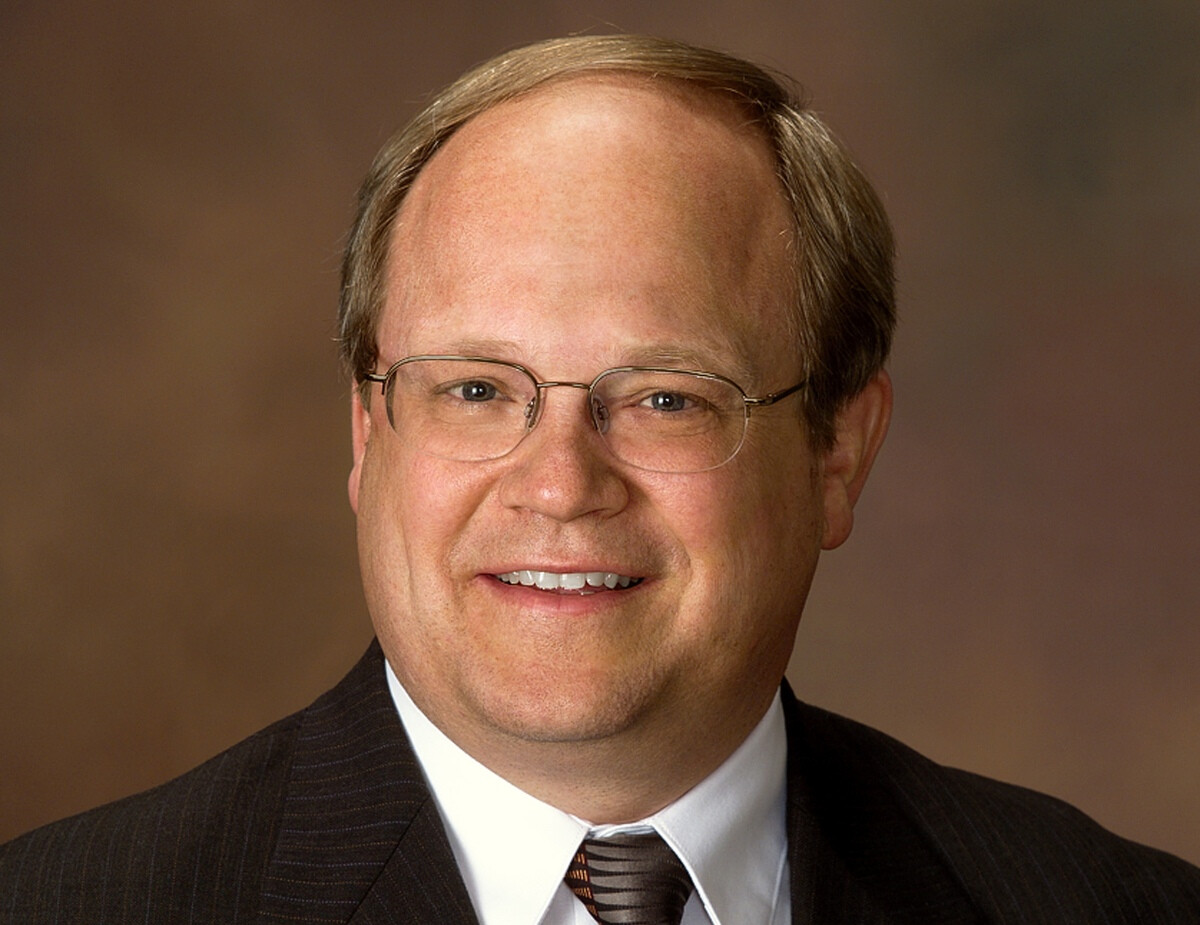
Following a period of prayer and discernment, Stephen M. Veazey was ordained as the eighth prophet-president of the church in 2005. Veazey greatly expanded the World Church Leadership Council to be more inclusive of the church’s diverse voices. Through his leadership the church continued to articulate a clear identity as a people dedicated to following Jesus who live and do Christ’s mission.
Wisdom from the Past, Vision for the Future
Under former President Stephen M. Veazey, the church looked to the future with hope, learning from its history and continuing to follow God’s call. “Since becoming president of the church I have engaged in an extensive study of our story. I have come to see more clearly how God’s spirit worked in the lives of imperfect, but highly dedicated people to shape a faith movement that continues to play a vital role in God’s unfolding purposes today. As a result, I have gained an even greater confidence that the same Spirit that saw the church through seemingly insurmountable challenges in the past will continue to sustain and guide us in the future.” —Stephen M. Veazey
Stassi D. Cramm
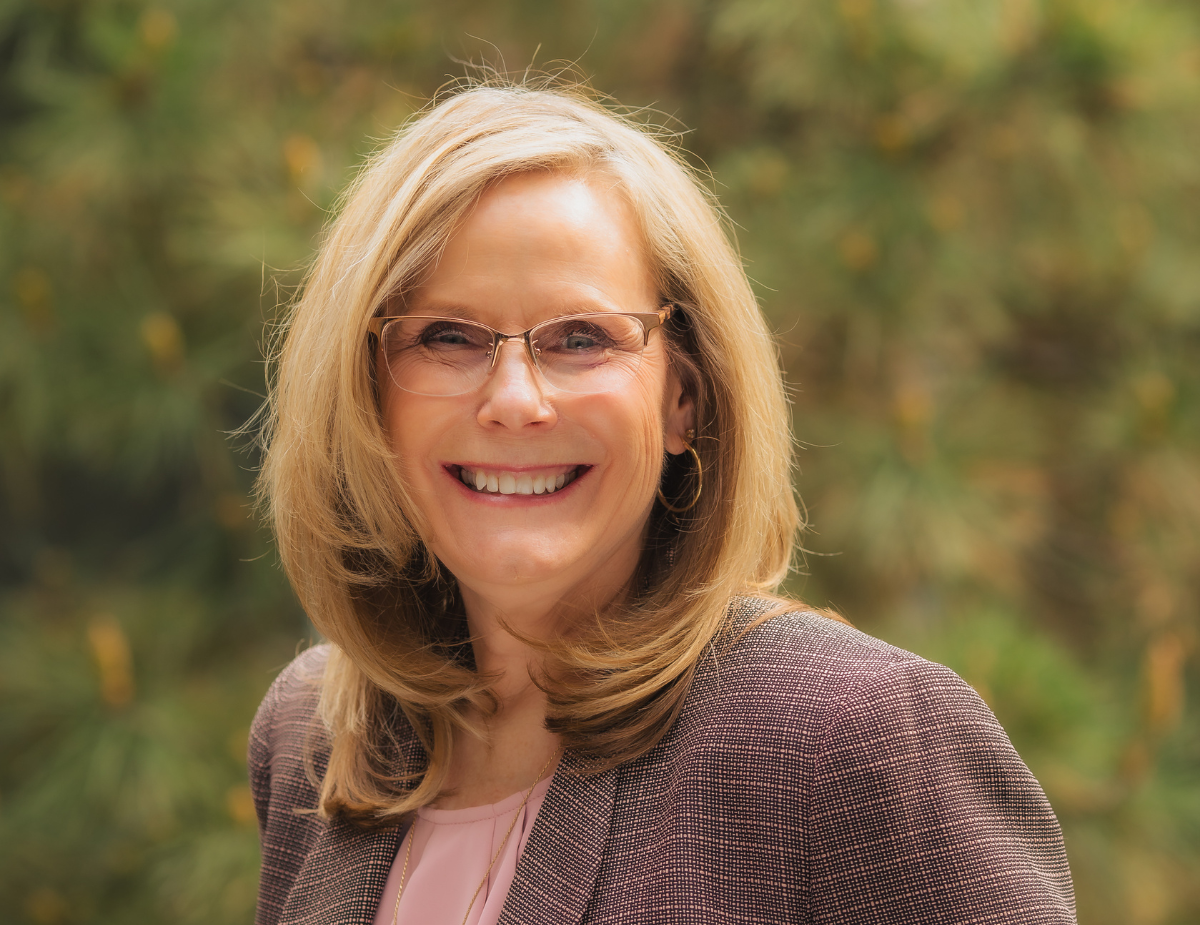
Stassi D. Cramm was ordained as the church’s ninth prophet-president on 1 June 2025, becoming the first woman to serve in this office. At World Conference 2025, she invited the church into a season of prophetic imagination, calling Community of Christ to dream boldly with the Holy Spirit through deep listening, communal reflection, and faithful action.